


By Seedy Jobe
The Gambia’s Independent Electoral Commission has acknowledged concerns about public confidence in the institution but says it is strengthening transparency, stakeholder engagement, and voter education as it prepares for the December 2026 presidential election.
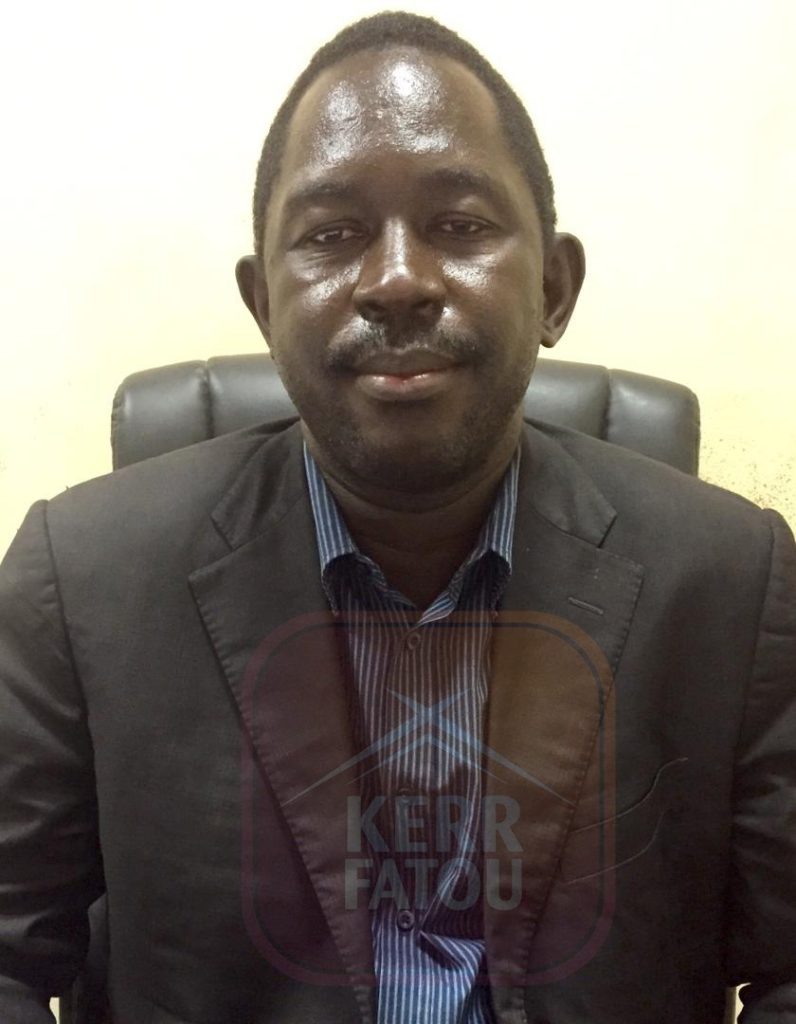
Speaking in an interview with QTV, the IEC’s Director of Communications, Pa Makan Khan, responded to findings from the 2024 Afrobarometer survey, which indicated relatively low levels of public trust in the electoral body. According to the survey, 46 percent of respondents in rural areas and 38 percent in urban areas said they trusted the commission. Trust was also lower among women, at 39 percent, compared with 43 percent among men.
Mr. Khan said the commission values independent research but believes its electoral processes are designed to foster openness and accountability.
“I think this is a very key element in terms of trust in the process.”
He said the commission allows voters, political parties, candidates, civil society organizations, and the media to observe every stage of the electoral process, from the opening of polling stations through the counting of ballots.
According to Mr. Khan, the same approach was adopted during the recently concluded voter registration exercise, where stakeholders were permitted to monitor activities throughout the process.
“We make sure that the process would be done without an iota of anything hidden. You accompany us in the process from A to Z,” he said, adding that ballot counting is conducted under similarly transparent conditions.
Mr. Khan described the IEC as “one of the most transparent commissions,” not only in Africa but globally. He cited The Gambia’s marble voting system and the commission’s policy of granting broad media access to electoral activities as examples of its commitment to openness.
Beyond election administration, Mr. Khan said the commission has expanded its voter and civic education efforts. Communications teams have been deployed across the country with public address systems, supported by the United Nations Development Programme, to raise awareness about the electoral process.
He said the IEC also convenes monthly consultations with political parties, civil society organizations, media representatives, and government institutions while using digital platforms to reach a broader audience.
Mr. Khan said inclusivity has become a central priority for the commission, with targeted outreach to young people, women, and persons with disabilities.
“We just try to maybe go more than the 100% mark. So we continue to do our best to make sure that everybody is included, the youth, the PWD, the women, and all that,” he said.
As part of those efforts, he announced plans to install wheelchair ramps at every polling station. He noted that registration and polling centers are already located on ground floors to eliminate the need for voters to use stairs or elevators.
Addressing concerns about political neutrality, Mr. Khan said the commission applies the same standards to every registered political party, regardless of its size or whether it is in government.
“What is done for party A will be done for all the other parties,” he said. “So this way, we make sure that there is equal treatment. There is no small party. All political parties are on the same footing in terms of IEC dealings with them.”
Comments are closed.