

NHRC Chair Emmanuel Joof Calls Death Penalty an Injustice, Urges Commitment to Right to Life

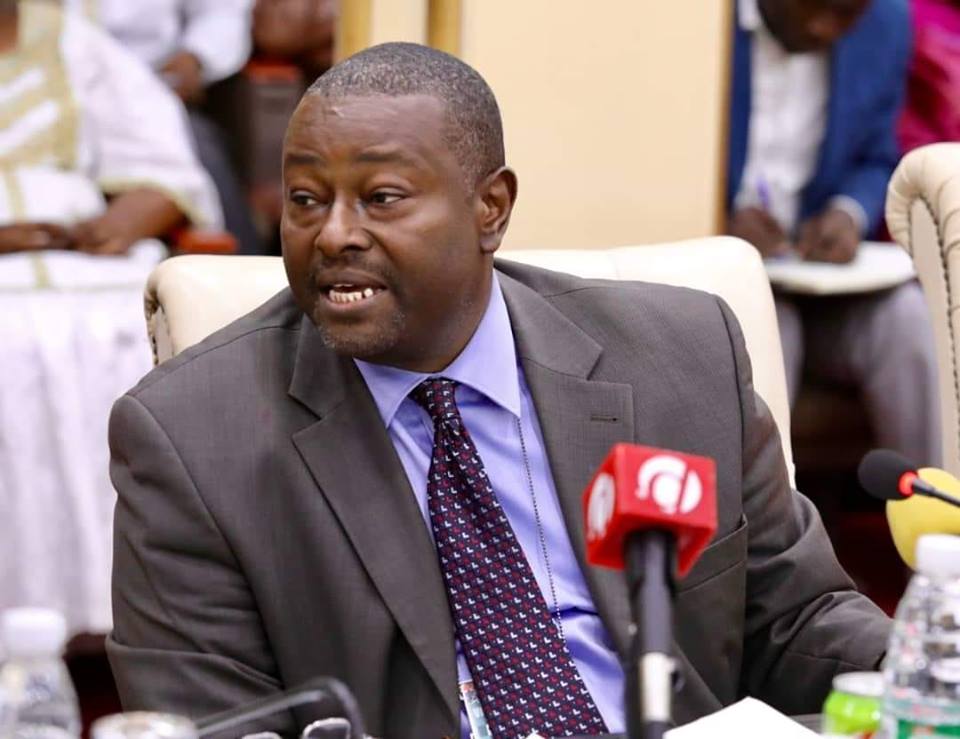
By Fatou Sillah
The chairman of The Gambia’s National Human Rights Commission, Emmanuel Daniel Joof, has described the death penalty as an injustice, arguing that it violates the right to life, undermines human dignity, and carries the irreversible risk of executing innocent people.
Speaking in an interview with West Coast Radio, Mr. Joof addressed renewed public debate over capital punishment amid growing concern about violent crime and calls from some members of the public to resume executions.
“The issue of the death penalty is a very sensitive issue,” Mr. Joof said. “I would say it’s injustice, and I will unpack it.”
Mr. Joof said there is no conclusive evidence that capital punishment deters crime, citing research conducted over the years by organizations including Amnesty International and the United Nations.
“There are many studies out there, but there is no conclusive proof,” he said. “They have done studies in countries that habitually execute people, but it has never brought the crimes down.”
He argued that criminal behavior is driven by a range of factors, including poverty, mental illness, and crimes of passion, rather than the existence of capital punishment.
According to Mr. Joof, people who commit serious crimes rarely consider whether a country imposes the death penalty before acting.
He also contended that the punishment disproportionately affects poor defendants who often lack access to adequate legal representation.
“The death penalty is usually used against those who are poor because they cannot afford lawyers,” he said.
Mr. Joof said the irreversible nature of executions makes the death penalty particularly troubling, noting that judicial errors, fabricated evidence, and coerced confessions can lead to wrongful convictions. He pointed to cases in other countries where convictions were overturned years after sentencing because new evidence emerged.
“The reasons I’m saying why is it’s against dignity, it is inhumane, it is irreversible, and there is no proof,” he said.
While opposing capital punishment, Mr. Joof stressed that the commission does not condone violent crime. He said individuals convicted of serious offenses, including murder and rape, should face lengthy imprisonment and called for greater investment in law enforcement to improve public safety.
“The state itself must protect people from others taking their lives,” he said. “The state should not take other people’s lives. The death penalty has been seen as dehumanizing and degrading.”
Mr. Joof also traced the history of capital punishment in The Gambia. He said the death penalty remained part of the country’s legal framework after independence in 1965 before being abolished in 1993 through the Death Penalty Act. It was reinstated in 1995 by the military government under Decree 52 and later incorporated into Section 18 of the 1997 Constitution for offenses including murder, treason, and terrorism-related crimes.
He noted that the Constitution required the National Assembly to review the desirability of abolishing the death penalty within 10 years, but said that review was never undertaken.
The Gambia has maintained a moratorium on executions since 2018 under President Adama Barrow’s administration, although the death penalty remains in the country’s laws.
Comments are closed.