

NaLOA President Calls for Dialogue as Pressure on Grazing Lands Fuels Farmer-Herder Conflicts

By Seedy Jobe
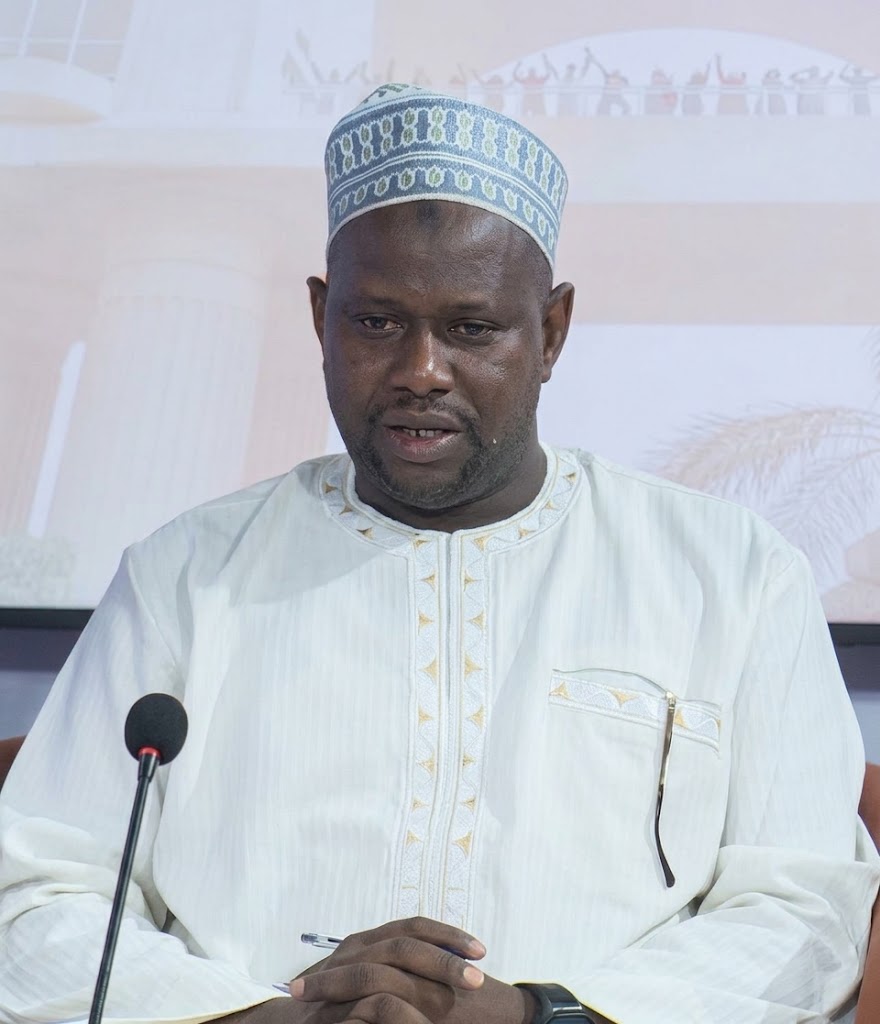
The president of the National Livestock Owners Association (NaLOA), Ebrima Jallow, has called for greater dialogue among farmers, herders, and local communities to address conflicts over grazing land, warning that growing competition for land threatens both livestock and crop production in The Gambia.
“Government alone cannot do it,” Mr. Jallow said, stressing that farmer organizations, local authorities, and communities must work together to prevent disputes from escalating into violence.
Mr. Jallow made the remarks during an interview with GRTS on the state of grazing lands in the country, particularly as agricultural activities expand and some areas traditionally used by livestock become increasingly inaccessible to herders.
He described the rainy season, from June through September, as a particularly sensitive period for both crop and livestock farmers. Although designated grazing areas and cattle tracks exist, he said many have been encroached upon or converted to other uses.
The problem is particularly acute in the West Coast Region, he said, including Kombo Central, South, North, and East, where pressure on available land has made livestock rearing increasingly difficult. As a result, some herders have been forced to migrate or struggle to find sufficient grazing areas for their animals.
Mr. Jallow said the challenge extends beyond any single region. The country’s landmass remains fixed, he noted, even as agricultural production expands and new projects seek to increase domestic food production. That growth, he said, has intensified competition between crop and livestock farmers for increasingly limited land.
Despite those pressures, Mr. Jallow said efforts to reduce tensions have begun to yield results.
NaLOA, in collaboration with the P2P2RS project, the Department of Livestock Services, and the Ministry of Agriculture, has been engaging local authorities and farming communities across the country. At the beginning of the rainy season, he said, the association toured the country and met with governors and chiefs to discuss potential conflicts and ways to prevent them.
According to Mr. Jallow, fewer farmer-herder conflicts have been recorded this year compared with last year, a development he attributed in part to increased sensitization and community engagement.
He warned, however, that The Gambia must learn from farmer-herder conflicts elsewhere in West Africa, where prolonged disputes have disrupted agricultural production and fueled hostility between communities.
“People need dialogue. People need to be talked to,” Mr. Jallow said.
NaLOA has identified areas considered particularly vulnerable to disputes and continues to engage communities in those locations, he said. Both crop and livestock farming are essential to the country’s food supply, he added, and neither sector should be treated as less important than the other.
Mr. Jallow pointed to the Upper River Region as an example of progress, describing it as one of the most peaceful areas this year despite recording numerous conflicts last year. He nevertheless expressed concern about land grabbing and continuing disputes between some communities.
He cited last year’s dispute between Gambisara and Sare Sore, as well as tensions in Sandu involving Kunkuba and Sarr Mbalbeh, as examples of serious conflicts. He credited the regional governor, local authorities and communities with helping to restore calm.
Problems persist in the West Coast Region and Lower River Region, however, where Mr. Jallow said violent incidents have been reported.
He cited cases in which farmers were allegedly attacked and injured, including one victim who was taken to the Ndemban clinic for treatment. He also recalled the killing of a herder in the Lower River Region last year who, according to his account, was shot and subsequently buried.
NaLOA has visited affected families and communities in an effort to promote reconciliation and discourage retaliatory violence, Mr. Jallow said.
He warned that persistent conflict between crop farmers and livestock owners could undermine The Gambia’s broader goal of increasing domestic food production. Both sectors, he said, must be able to expand production if the country is to meet the needs of its population.
“The Gambia cannot have what we want to have if there is a conflict between the farmers,” Mr. Jallow said.
Comments are closed.