

Dr. Gajigo Calls Seven-Year Reliance on Karpowership a Costly Policy Failure

By Seedy Jobe
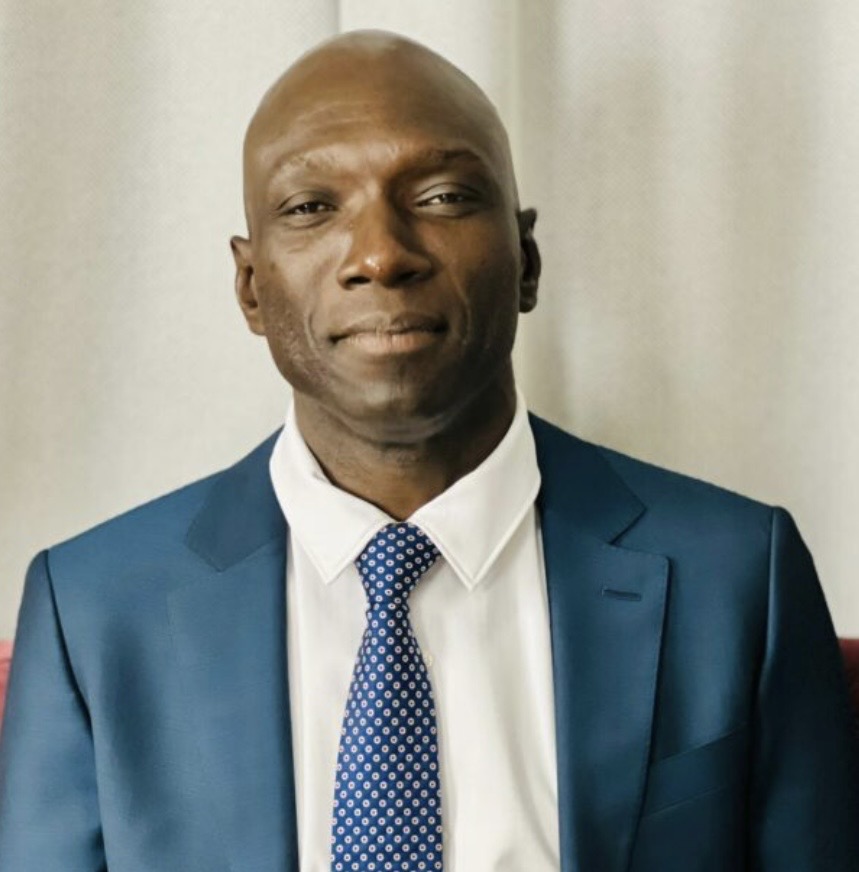
Dr. Ousman Gajigo, an economist and leader of the Patriotic Progressive Alliance movement, has criticized the government’s seven-year reliance on Karpowership, calling it a costly policy mistake and arguing that the arrangement should have served only as a temporary solution while The Gambia developed its own power-generation capacity.
Speaking in an interview with QTV, Dr. Gajigo said the central issue was not Karpowership’s departure but why the country had depended on it for so long.
“The question is not why Karpowership is leaving,” he said. “The question is why it stayed for this long.”
Karpowership began supplying electricity to The Gambia in 2017 and remained part of the country’s energy supply for about seven years. Dr. Gajigo said that was far longer than an emergency power arrangement should have lasted.
He argued that electricity supplied through Karpowership was particularly expensive because the government was effectively paying each year for generating capacity it would never own. Using an industry estimate of roughly $1 million per megawatt to build thermal generating capacity, he estimated that a 30-megawatt plant would cost about $30 million.
Over seven years, he said, The Gambia spent more than $200 million on Karpowership. Had even half of that amount been invested in permanent infrastructure over four years, he argued, the country could have built a 100-megawatt thermal power plant of its own.
For Dr. Gajigo, the larger failure was that the government did not use Karpowership as a stopgap while investing in long-term domestic generation.
He pointed to the government’s 2017 energy sector roadmap, which he said was approved by the Cabinet and called for adding 60 megawatts of solar power and nearly 50 megawatts of thermal generation. Had those plans been carried out, he said, The Gambia could now have roughly 100 megawatts of additional domestic generating capacity.
Combined with more recent energy projects, he argued, that would have brought the country much closer to meeting national electricity demand, which he put at about 140 megawatts.
Dr. Gajigo also criticized the government’s increasing reliance on electricity imports from neighboring countries, arguing that regional power should serve as a backup rather than the foundation of the country’s energy strategy.
Energy security, he said, should begin with the ability to meet most domestic demand at home, with imports used to cover temporary shortages.
He pointed to Senegal as an example, saying the country does not build its energy strategy around importing electricity from The Gambia. As a result, he said, shortages elsewhere do not automatically become Senegal’s electricity crisis.
Dr. Gajigo also questioned how the government measures electricity access. Official figures, he said, often count households connected to the national grid without considering whether those households receive a reliable supply of power.
In his view, claims of universal electricity access mean little if homes connected to the grid routinely go without electricity.
He rejected efforts to place responsibility for the current problems on previous administrations, saying President Adama Barrow’s government has had nearly a decade — as well as its own energy roadmap and access to development assistance — to address the country’s power needs.
“What we have seen now, without a shadow of doubt, from 2017 until now, is the failure to execute a plan when resources are there, when assistance is provided,” he said. “That is the problem right now.”
Dr. Gajigo warned that the electricity crisis was unlikely to be resolved quickly. Newly procured generators, he said, cannot simply be delivered and switched on because large industrial generating units require time to assemble and install.
In the short term, he said, additional electricity from Senegal and Guinea could provide some relief. But such an arrangement would again leave The Gambia dependent on its neighbors.
He also raised questions about the terms under which the government secured emergency electricity supplies, calling for greater transparency about any concessions made to Senegal and Guinea and whether the agreements carried broader implications for the country.
“We are going to get an improvement in power if Senegal and Guinea supply us,” he said. “It will be nowhere near the need.”
Dr. Gajigo predicted that the energy problems would continue through the end of the year and become a major challenge for the government that takes office after the presidential election.
“The new government that will come next year, they have to address this problem because this government is going to leave us with a major energy crisis even in December,” he said.
Dr. Gajigo, whose political movement is seeking to challenge the government, said the opposition would not have allowed the electricity situation to deteriorate to its current state. He added that he had been publicly raising concerns about the government’s energy policies since about the fifth year of the Barrow administration.
Comments are closed.