

Suwaibou Touray: UDP Wants More Parties in Coalition, Not Satisfied With Current Setup
By Fatou Sillah
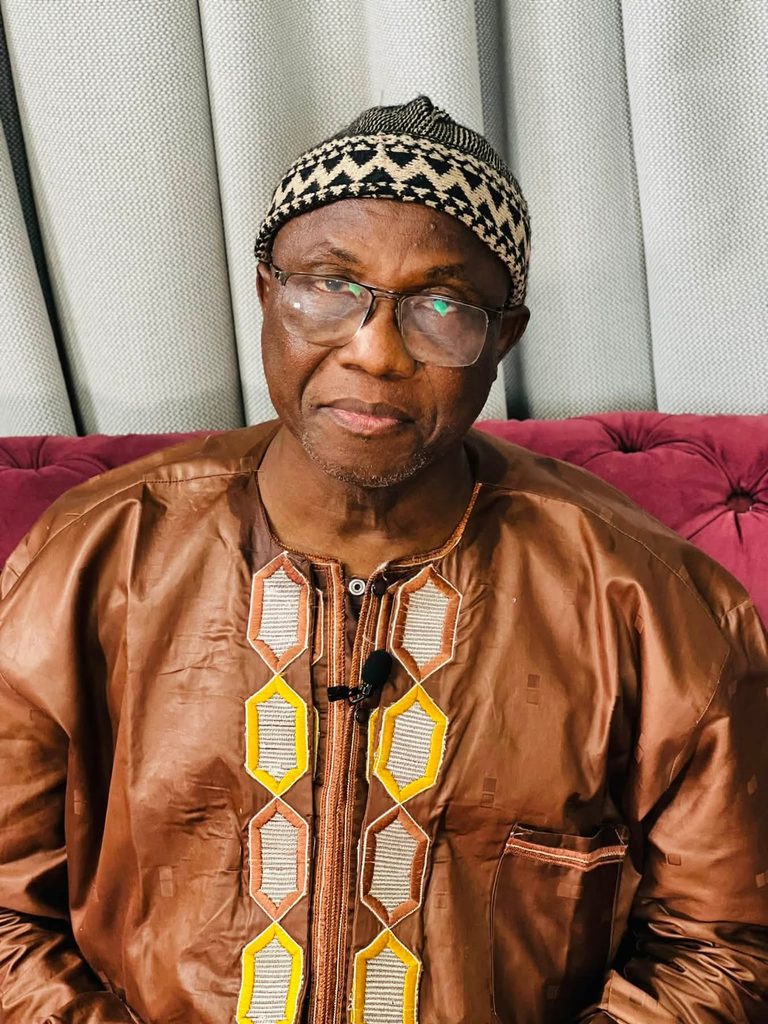
Suwaibou Touray, the secretary general and party leader of the People’s Democratic Organization for Independence and Socialism, says the United Democratic Party is seeking to expand its opposition coalition ahead of the December presidential election, arguing that its current alliance has yet to provide the level of political support the party wants.
Touray said the UDP’s continued outreach to other political parties indicated that it was looking for a broader alliance as opposition groups consider ways to challenge President Adama Barrow in the Dec. 5 election.
“UDP are still lobbying because they are not satisfied with their coalition,” Touray said. “They will not say that, but they are not satisfied, and they want more. That is what is going to give them assurance.”
His comments come as opposition parties continue negotiations and consultations over possible alliances ahead of the election, with several groups calling for greater cooperation to avoid fragmenting the opposition vote.
Touray said The Gambia’s democratic transition remained incomplete and argued that opposition parties had a responsibility to explore areas of common ground if they were serious about bringing about political change.
He said PDOIS had not decided whether it would field its own presidential candidate, adding that presenting a candidate was not a prerequisite for participating in a broader opposition coalition.
Touray also argued that any effort to build what he described as a genuine “grand coalition” would require the participation of established political parties with organizational structures and supporters across the country.
He cautioned against relying primarily on newly formed political movements, saying parties with established nationwide structures would be important to building an alliance capable of competing effectively in a national election.
Touray said UNITE, another opposition group, was also seeking to attract additional parties to its coalition, a sign, he said, that opposition groups recognize the importance of broadening their political alliances.
With several opposition parties and movements positioning themselves ahead of the election, Touray said there remained an opportunity for them to forge a stronger alliance, particularly at a time when many Gambians are calling for political change.
But he said such an arrangement would require political leaders to temper their individual ambitions and place what they consider the national interest above partisan considerations.
Touray warned that continued fragmentation among opposition parties could undermine their prospects of achieving the change they say Gambians are demanding.
For the opposition to mount an effective challenge, he said, political leaders would have to decide whether their individual aspirations were more important than building a broader and more unified alternative.
Comments are closed.