

IEC Chairman Says Removal of Registration Interviews Makes Nationality Verification Difficult

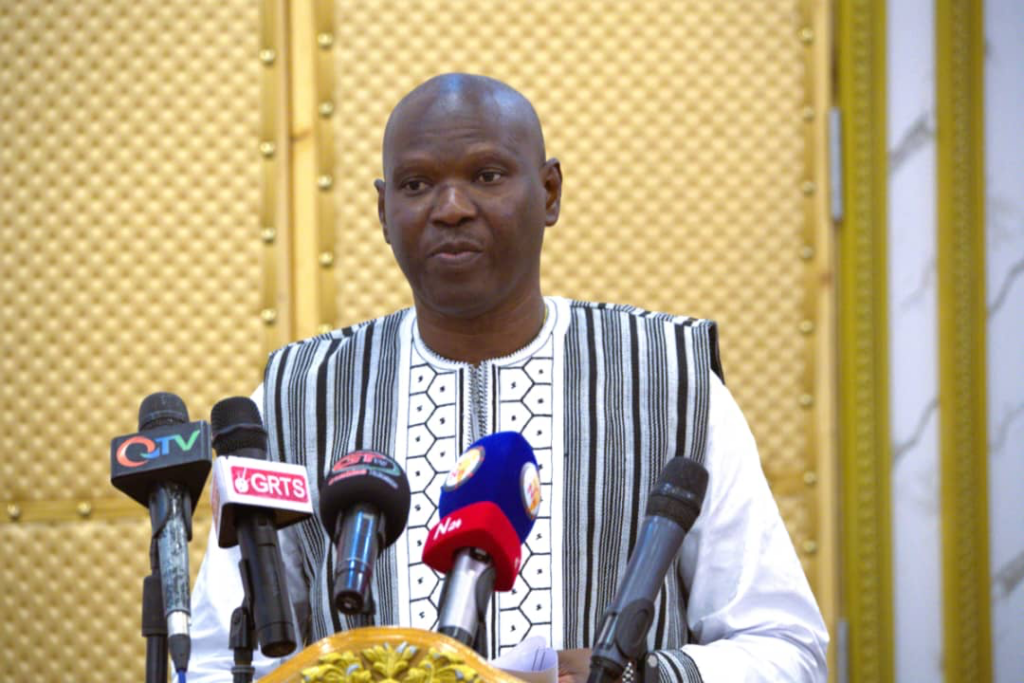
By Fatou Sillah
The chairman of the Independent Electoral Commission, Joseph Colley, has said that the removal of interviews from The Gambia’s voter registration process has made it more difficult for the commission to independently determine whether applicants are Gambian citizens.
Speaking in an interview with West Coast Radio, Mr. Colley said the commission is required to register eligible applicants who present valid documents recognized under the law, leaving election officials with limited authority to question an applicant’s nationality beyond the documentation provided.
“If anybody comes with a genuine document, we register,” Mr. Colley said. “If we were given the leeway, we would have been able to interview. Even whereas you come, we can interview and see whether you definitely are or you are not, but right now we are not given the opportunity.”
Mr. Colley said interviews had previously been part of the voter registration process, allowing registration officials to question applicants when necessary. But Parliament removed the interview requirement before the 2021 voter registration exercise, he said.
Under the current system, applicants may establish their eligibility using one of four documents: a Gambian passport, a birth certificate, a national identity card, or an attestation.
Mr. Colley noted that the IEC does not issue passports or national identity cards and therefore relies on documents produced by other government institutions. Attestations, another recognized form of documentation, are issued through local authorities.
The commission has since introduced regulations aimed at strengthening the attestation process, he said, including tighter rules governing which Alikalolu are permitted to issue attestations for voter registration.
Questions have also arisen over older birth certificates, Mr. Colley said, noting that documents issued under previous systems may still be presented by applicants if they remain legally recognized.
The issue underscores a central constraint facing the commission: election officials are responsible for registering eligible Gambians, but their ability to independently investigate an applicant’s citizenship is limited by the procedures established under the law.
Mr. Colley said the commission cannot simply reject an applicant as a non-Gambian when that person presents valid documentation recognized for voter registration.
“We register based on the documents,” he said. “If we were given the leeway, we would have been able to interview and see whether definitely you are or you are not, but right now we are not given the opportunity.”
He added that voter registration is restricted to Gambian citizens who are at least 18 years old.
Objections filed during the registration process can raise questions about an applicant’s nationality, age, or other eligibility requirements. But Mr. Colley said the commission must ultimately assess such cases within the legal framework governing voter registration.
His remarks come as questions over voter eligibility and documentation remain a focus of scrutiny ahead of the 2026 elections, with the IEC facing the task of safeguarding the integrity of the voter register while operating within the limits of its statutory authority.
Comments are closed.