


By Seedy Jobe
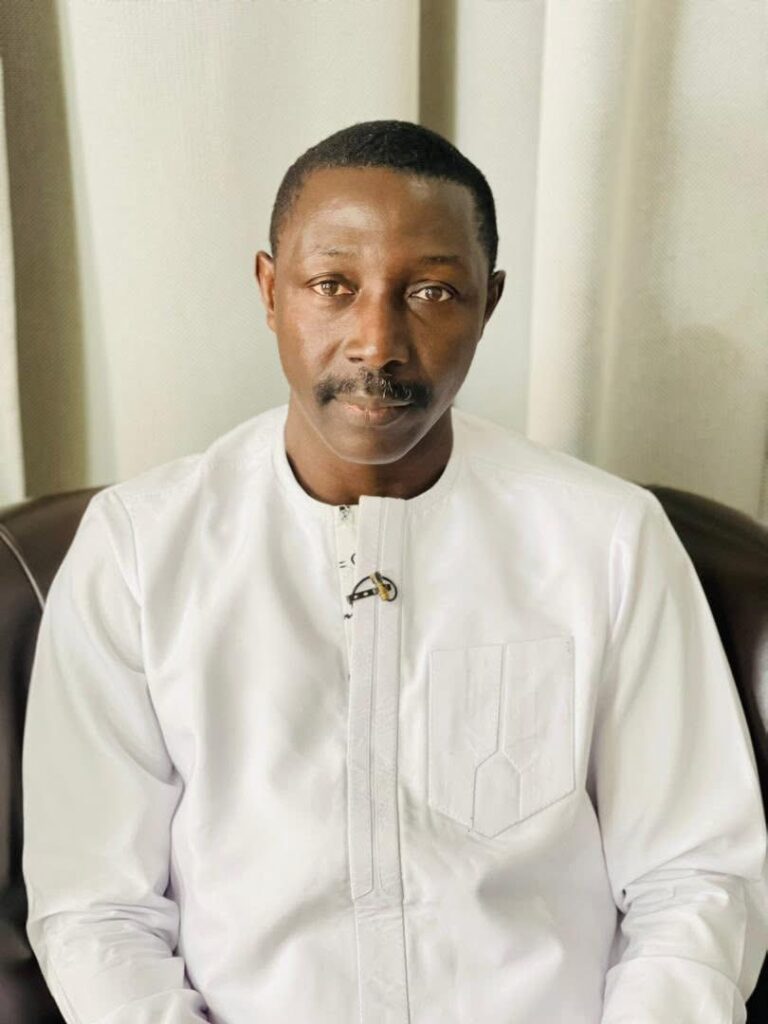
The leader of the People’s Alliance Party (PAP), Ebrima Tabora Manneh, has said April’s fuel price increase was largely driven by global factors, but stressed that the government must take proactive steps to mitigate its impact on citizens.
Speaking in an interview with The Fatu Network on Thursday, Mr. Manneh attributed the rise in fuel prices to geopolitical tensions affecting global supply routes, particularly disruptions linked to the Strait of Hormuz. He warned that the increase could trigger a broader rise in the cost of essential goods and services, including fertilizer, transportation, and electricity.
Mr. Manneh noted that while fuel prices are influenced by international market conditions, they remain regulated domestically. He explained that the government determines key components such as taxes, duties, and other charges, which ultimately shape the final price paid by consumers.
“In The Gambia, fuel prices are controlled by the government,” Manneh said. “When you import fuel, your cost is there, then your margin, which is your profit. The rest is determined by the government; that’s where your duties, Value Added Tax (VAT), road tax, and other charges come in. So the government definitely regulates it 100%.”
Linking the price spike to ongoing tensions in the Middle East, Mr. Manneh pointed to disruptions in one of the world’s most critical oil transit routes as a major contributing factor. He added that his party had anticipated the increase and publicly warned about its likelihood prior to April, emphasizing that the trend was global rather than country-specific.
“We have talked about it since the war was ongoing, even before April. But we don’t want Gambians to panic or be afraid. What we said was that fuel prices would increase worldwide, and they would increase here in the Gambia,” he said.
He further highlighted the knock-on effects of rising fuel costs, particularly on agriculture and transportation. According to Mr. Manneh, fertilizer prices are likely to increase due to their dependence on natural gas supplies from major producers such as Qatar, while higher fuel costs will inevitably drive up transport expenses and, by extension, the prices of goods and services.
Mr. Manneh also cautioned that the energy sector would not be spared, noting that the country’s electricity provider, National Water and Electricity Company, relies heavily on fuel for power generation. As a result, he said, electricity costs could also rise.
While acknowledging that the government cannot be held entirely responsible for externally driven price increases, Mr. Manneh stressed the importance of preparedness and strategic response. He argued that governments should anticipate such developments and implement measures to cushion their populations, including reducing public expenditure and optimizing resource use.
He concluded that effective governance in times of global uncertainty requires foresight and cost management, urging authorities to act decisively to protect livelihoods from the ripple effects of rising fuel prices.
“You know that the war is ongoing, and fuel will eventually go up. When it goes up, what should we do so that it won’t affect our livelihood? That’s how a responsible government acts,” he added. “We have seen governments limit their fuel usage. Reduce their travel, it’s just like managing their cost of living, limiting expenses a lot,” he said.
Comments are closed.