

High Court Acquits Three Women in Infant Death Case, Citing “Investigative Lapses”

By Staff Reporter
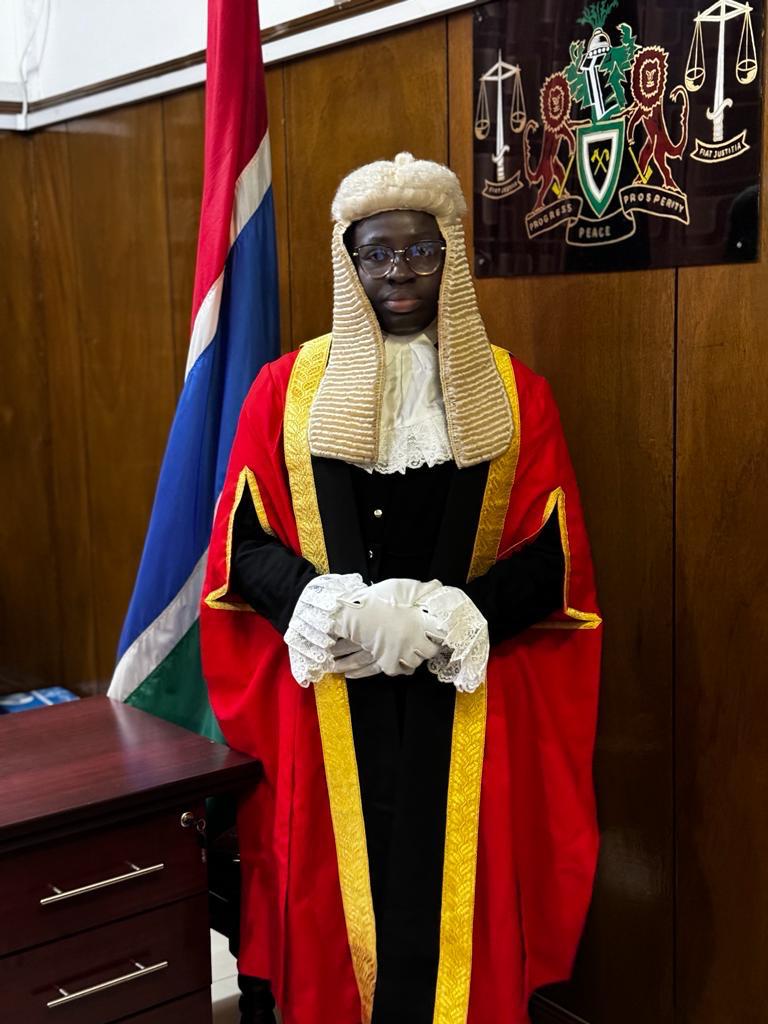
A High Court judge in Bundung on Wednesday acquitted three women charged in connection with a female genital mutilation procedure that prosecutors said led to the death of a one-month-old infant, ruling that the state had failed to present sufficient evidence to require a defense.
Justice I. Janneh dismissed all charges against Fatou Camara, Hawa Conteh and Oumie Sawaneh after upholding a “no case to answer” submission by the defense. The decision effectively ended the trial, with the judge concluding that the prosecution had not established a prima facie case.
The women had faced four counts stemming from allegations that on Sept. 8, 2025, in Wellingara, they conspired to carry out a circumcision procedure on Baby Sarjo Conteh, who later died. Prosecutors alleged that the infant’s death resulted from external hemorrhage.
Ms. Camara was accused of performing the procedure and participating in a conspiracy, while Ms. Conteh was charged as an accomplice for allegedly facilitating it. Ms. Sawaneh, the child’s mother, was charged with failing to report the act. All three were also charged with conspiracy to commit a felony.
Over the course of the trial, the state called 11 witnesses, including police officers and medical personnel, and introduced photographic evidence, hospital records, and an autopsy report.
But in a detailed ruling, Justice Janneh found that much of the prosecution’s case rested on hearsay and procedurally flawed evidence.
Several police witnesses acknowledged that their knowledge of the alleged incident was based on secondhand accounts rather than direct observation. Others testified primarily about procedural steps, such as taking photographs or making arrests, without establishing a clear link between the defendants and the alleged crime.
The court also rejected key statements attributed to Ms. Camara and Ms. Sawaneh, after finding that investigators had failed to comply with legal requirements governing the recording of such statements. The absence of an independent witness during the process, the judge said, rendered the statements inadmissible.
Justice Janneh was equally critical of the medical evidence presented. A “brought-in-dead” report listed the cause of death as unknown and made no reference to genital cutting. A triage form that mentioned circumcision, the court found, relied on information provided by the child’s parents rather than an independent clinical finding.
The autopsy report, presented by a pathologist, also fell short under cross-examination. The pathologist acknowledged that he could not identify the instrument allegedly used or definitively determine the cause of the injuries. He further conceded that his conclusions had been influenced in part by information supplied by the police before the examination.
Taken together, Justice Janneh ruled, the evidence was “so weak, discredited, or insufficient” that no reasonable tribunal could rely on it to convict.
She sharply criticized the investigative process, saying that failures to follow statutory safeguards had deprived the court of potentially critical evidence.
“Investigative lapses of this nature not only weaken the prosecution’s case but also undermine the administration of justice,” she said.
Invoking Section 245 of the Criminal Procedure Act 2025, the judge ordered the immediate discharge of all three defendants. She noted that the prosecution retains the right to appeal.
Comments are closed.