


By Makutu Manneh
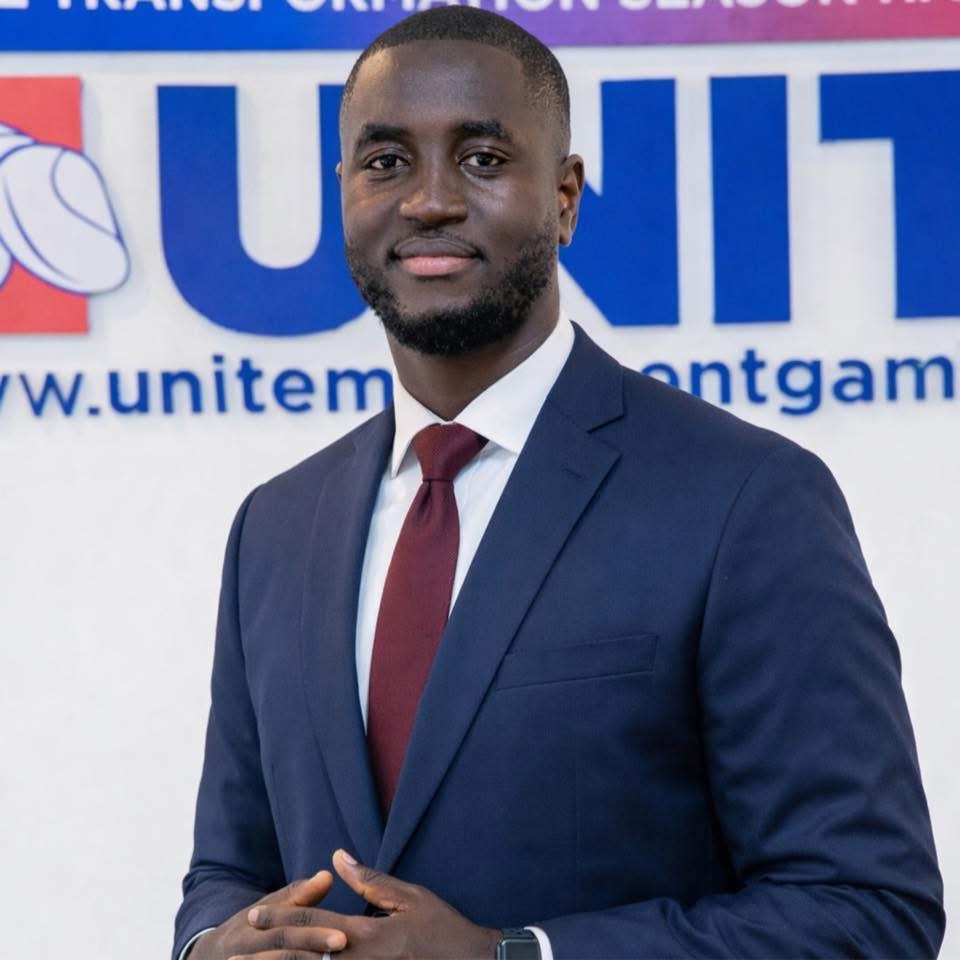
Kemo Bojang, spokesperson of the United Movement for Change (UMC), says he is confident his party will be part of The Gambia’s next government following the December 5 presidential election, underscoring the movement’s openness to coalition-building efforts already underway.
“I believe there will be a coalition that will effect change. UMC will be part of the next government of this country,” Bojang said during an interview on Kerr Fatou on Thursday.
His remarks come amid mounting calls for opposition unity ahead of the polls, as political parties weigh alliances in a fragmented electoral landscape.
Bojang said the UMC has been actively engaged in consultations, meeting with more than 15 political entities and participating in discussions aimed at forging a coalition. He emphasized that while parties such as the United Democratic Party (UDP) and the People’s Democratic Organisation for Independence and Socialism (PDOIS) have publicly outlined their negotiating positions, the UMC has chosen a more flexible approach.
“For us, we do not have a concrete position when it comes to coalition-building,” he said. “We are flexible based on the realities on the ground.”
That flexibility, he suggested, reflects growing public sentiment. Citing recent surveys, Bojang said many Gambians favor a united front among opposition parties and expect coalition talks to be concluded ahead of the presidential election.
Still, Bojang cautioned that unity for its own sake would not suffice. “UMC will only be part of a coalition that will add value, not a coalition just to change the president but also to change the livelihood of Gambians,” he said.
He pointed to the 2016 opposition alliance that unseated former President Yahya Jammeh as both an inspiration and a lesson. While the coalition succeeded in removing Jammeh from power, Bojang argued that it fell short in articulating a cohesive governing agenda.
“At the time, the focus was on how to get Yahya Jammeh out of power, not how to govern and change the reality of Gambians,” he said. “If we haven’t learned anything from 2016, then we should revisit our position.”
As coalition talks intensify, the UMC’s stance signals a willingness to compromise—but only, Bojang insists, in pursuit of a broader transformation that extends beyond electoral victory.
Comments are closed.