

Finance Minister Reports GMD 195.84 Million Budget Deficit for First Quarter of 2026

By Fatou Sillah
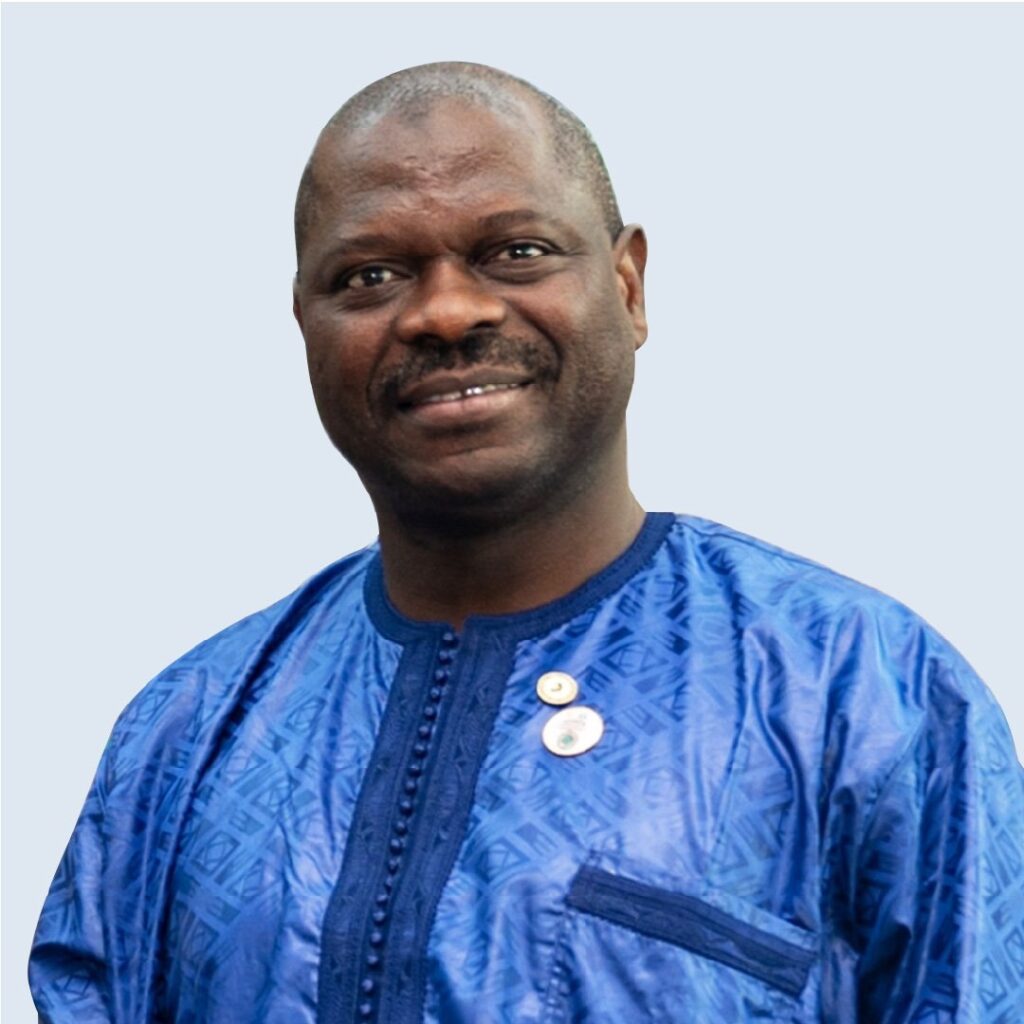
The Minister of Finance and Economic Affairs, Seedy Keita, has informed the National Assembly that The Gambia recorded a budget deficit of GMD 195.84 million in the first quarter of 2026, marking a significant reduction compared to both the approved budget target and the same period last year.
Presenting an update on the monitoring and implementation of the 2026 national budget on Monday, Minister Keita said the deficit was 68 percent below the projected GMD 615.44 million and 67 percent lower than the GMD 587.23 million recorded in the first quarter of 2025.
“A deficit of GMD 195.84 million was realized in the first quarter of 2026, which is 68 percent below its budget of GMD 615.44 million. This deficit is GMD 391.41 million, or 67 percent below the same period last year, which recorded an actual of GMD 587.23 million,” he stated.
According to the minister, expenditure performance across ministries varied during the period, with the Ministry of Basic and Secondary Education emerging as the largest spender. He attributed this mainly to personnel emoluments, salary payments for subvented schools, school feeding and school improvement grant programmes, and textbook printing.
On debt servicing, Minister Keita reported that the National Debt Service recorded an outturn of GMD 1.36 billion, representing an execution rate of 10.10 percent. He explained that the figure reflects the timing of scheduled debt obligations rather than any implementation challenges.
The Ministry of Agriculture posted the highest execution rate at 43.03 percent. This performance, he said, was driven by expenditure on groundnut and agricultural input subsidies amounting to GMD 450 million and GMD 177.4 million, respectively, alongside the procurement of 90 tractors valued at GMD 35 million.
“The Ministry of Agriculture achieved the highest execution rate in the quarter at 43.03%, underpinned by groundnut and agricultural input subsidies of GMD 450 million and GMD 177.4 million, respectively, as well as the procurement of 90 tractors at a cost of GMD 35 million,” he said.
In contrast, the Ministry of Transport, Works, and Infrastructure recorded a 24.55 percent execution rate, largely due to contractor payments exceeding GMD 652 million for ongoing road and construction projects.
The Ministry of Finance and Economic Affairs achieved a 21.27 percent execution rate, supported by monthly operational allocations of approximately GMD 288.7 million, obligations to the Gambia Revenue Authority, and development spending under the World Bank-supported PAMP programme, including ongoing IT system upgrades.
Meanwhile, the Ministry of Public Service, Administrative Reforms, and Policy Coordination recorded a low execution rate of 6.42 percent. Development spending stood at only GMD 5 million against an approved budget of GMD 396.4 million, suggesting delays in the implementation of reform and policy initiatives that may require closer monitoring in subsequent quarters.
The Ministry of Petroleum and Energy registered the lowest execution rate at 1.02 percent, as no expenditure had yet been incurred under a major GMD 1 billion energy subsidy allocation, which constitutes a significant portion of the ministry’s Other Charges budget.
Overall, total expenditure for the first quarter of 2026 stood at GMD 7.87 billion, slightly above total revenue of GMD 7.68 billion, reflecting a marginal fiscal gap of about 2 percent.
“The end of the first quarter 2026 GLF budget implementation period shows a total expenditure of GMD 7.87 billion, which is just 2 percent above the total revenue of GMD 7.68 billion.”
Minister Keita reaffirmed the government’s commitment to maintaining macroeconomic stability through enhanced domestic revenue mobilisation, prudent debt management, and sustained public investment to support inclusive and sustainable economic growth.
Comments are closed.