

Female Students Dominate 2026 WASSCE, Claim 58% of University-Ready Grades

By Makutu Manneh
Female candidates accounted for nearly 58 percent of students who met the university entry benchmark in The Gambia’s 2026 West African Senior School Certificate Examination, according to results released by the Ministry of Basic and Secondary Education, even as the overall number of students reaching the threshold remained low.
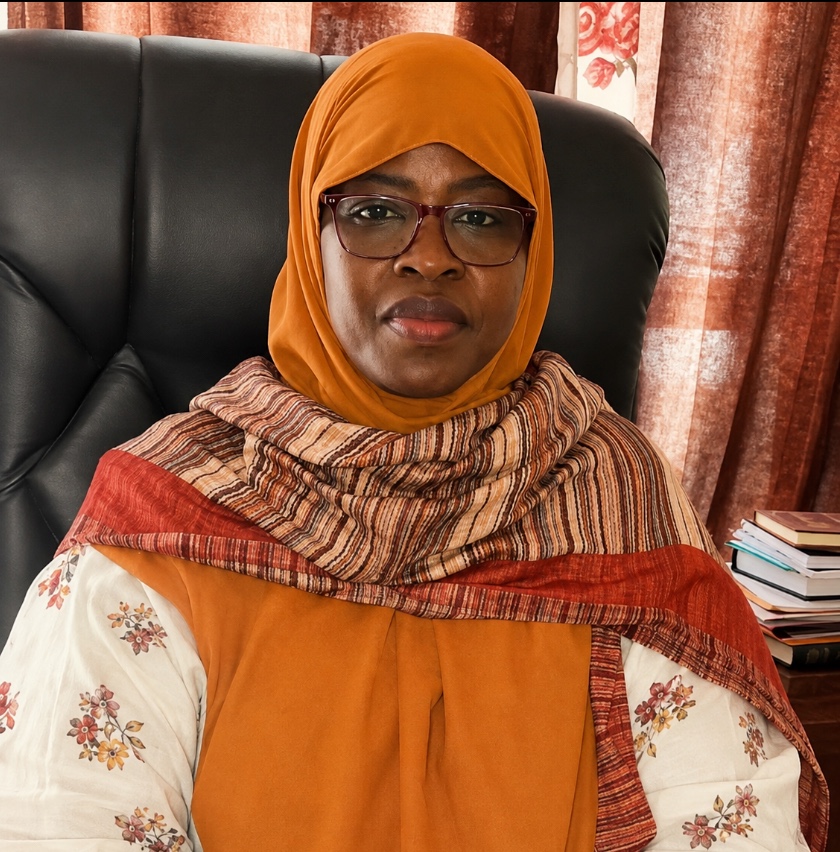
Habibatou Drammeh, the minister of basic and secondary education, said at a news briefing that 1,410 candidates, or 7.13 percent of those who sat for the examination, obtained at least five credits, including English language and mathematics—the benchmark generally required for direct entry into tertiary institutions.
Of those candidates, 813 were female, and 597 were male, meaning girls and young women accounted for 57.66 percent of those who reached the benchmark.
The gender disparity comes amid significantly higher female participation in the examination. According to the minister, female students made up about 63 percent of all candidates registered for the 2026 WASSCE.
The results showed varying levels of performance across science subjects. Chemistry recorded 1,131 credit passes among 2,015 candidates, a rate of 56.13 percent. Biology recorded 1,321 credits among 2,678 candidates, or 49.33 percent, while physics recorded 696 credits among 1,908 candidates, representing 36.48 percent.
Performance also varied considerably across technical and vocational subjects, which together accounted for 4,914 subject entries.
Auto mechanics recorded the strongest performance among the technical disciplines cited by the ministry, with 350 credit passes among 464 candidates, a rate of 75.43 percent. Woodwork recorded 365 credits among 777 candidates, while applied electricity had 105 credits among 316 candidates.
Technical drawing recorded 360 credit passes among 1,043 candidates, and metalwork recorded 239 among 777 candidates. Information and Communication Technology, which had the largest number of candidates among the technical subjects cited, recorded 378 credits among 1,537 candidates.
Ms. Drammeh also sought to clarify figures showing 7,212 candidates in the “zero credit” category, saying the classification did not mean that all of those students had failed every subject they took.
Of that group, 3,758 candidates, or 52.11 percent, sat all of their registered papers and received passing grades of D7 or E8 but did not obtain a credit. Another 893 candidates were absent for one or more papers but received passing grades in some of the subjects they completed, she said.
Only 1,496 candidates, according to the minister, sat all of their registered papers and received an F9 in every subject, amounting to complete academic failure.
The distinction is significant because the zero-credit category can obscure differences between students who received noncredit passing grades and those who failed every paper.
The ministry plans to publish a comprehensive ranking of all 151 schools that registered candidates for the examination, Ms. Drammeh said, allowing schools to compare their results and identify areas requiring improvement.
She said the results should lead to greater accountability within the education system, particularly for schools that have consistently recorded weak outcomes.
“It cannot be business as usual,” Ms. Drammeh said.
Schools would be expected to develop measures to improve their results, she added, while the ministry would monitor their progress and intervene where necessary.
The government is also pursuing broader reforms intended to address persistent weaknesses in learning outcomes, according to the minister. Those efforts include strengthening foundational literacy and numeracy and expanding professional development for teachers in public schools across the country.
The 2026 results represent an improvement from the previous year. The proportion of candidates obtaining at least five credits, including English and mathematics, rose by 2.83 percentage points compared with 2025, while student enrollment also increased.
But the figures also illustrate the depth of the challenge confronting The Gambia’s education system.
Despite the improvement, just 7.13 percent of candidates met the university entry benchmark — fewer than one in 10 students who sat for the examination.
For education officials, the increase from the historically weak results recorded in 2025 offers an indication of progress. But with the overwhelming majority of candidates still falling short of the five-credit threshold that includes English and mathematics, the latest results are also likely to intensify scrutiny of school performance, teaching quality and the effectiveness of the government’s education reforms.
Comments are closed.