

By Seedy Jobe
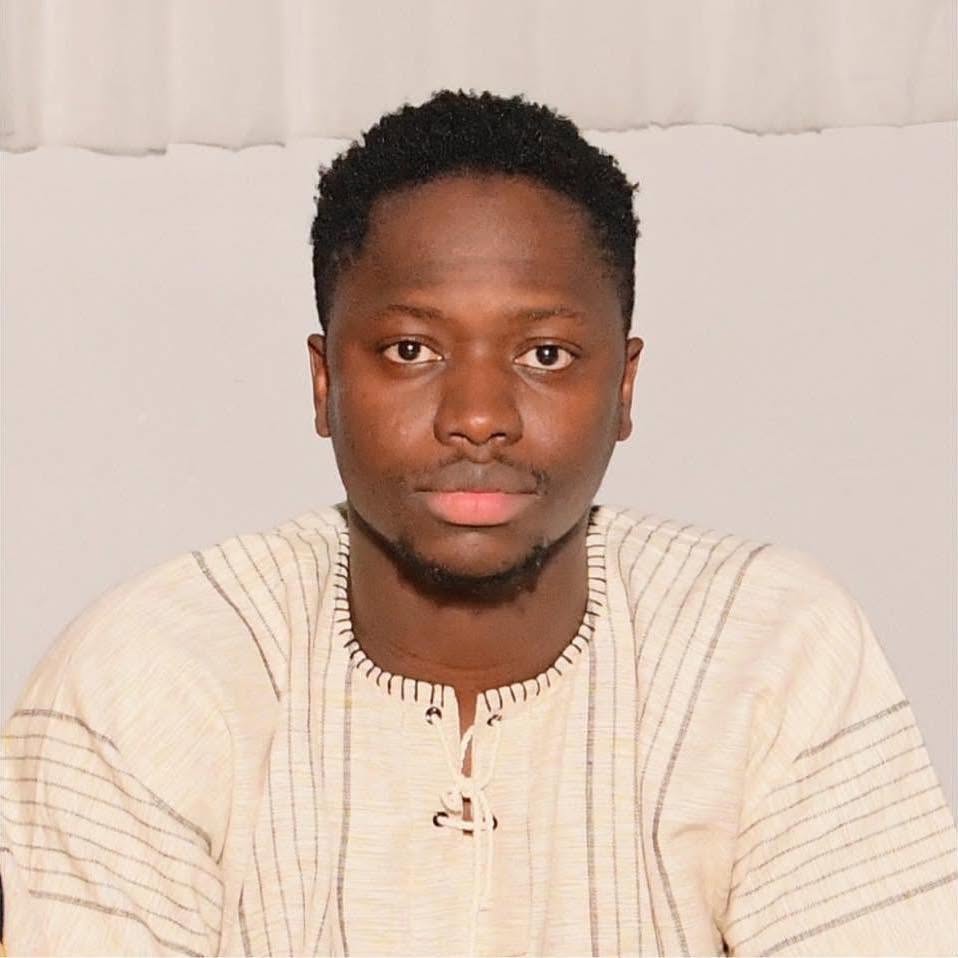
Dr. Omar Malmo Sambou, a Gambian environmental scientist, academic, and activist, has challenged President Adama Barrow’s claims about his administration’s infrastructure record, arguing that Gambians will repay loans for years to come.
During an interview on Kerr Fatou’s Kaacha program, Dr. Sambou was asked whether President Barrow deserved credit for what the interviewer described as significant infrastructure progress, including roads, bridges, and educational facilities, despite persistent challenges in sectors such as electricity.
Dr. Sambou acknowledged the importance of infrastructure development but argued that the government’s record should also be assessed against the cost of financing those projects.
He claimed that the scale of borrowing under the Barrow administration was unprecedented, saying neither former President Sir Dawda Kairaba Jawara nor former President Yahya Jammeh borrowed at comparable levels. The loans, he said, were contracted in the name of The Gambia and would ultimately have to be repaid by Gambians, including future generations.
Dr. Sambou stressed that public infrastructure should not be treated as the personal achievement or property of any president because it is financed through public resources, loans, and other funding secured on behalf of the country.
He also disputed the suggestion that the OIC road projects originated entirely under the Barrow administration, arguing that preparations connected to The Gambia’s hosting of the Organisation of Islamic Cooperation summit began during Mr. Jammeh’s presidency. He similarly said discussions surrounding some major bridge projects dated back to the Jawara era.
His broader argument was that national development is cumulative, with successive governments inheriting, completing, or expanding projects initiated by their predecessors.
Every administration, he said, makes its contribution before leaving office, and no government should portray the country’s development as beginning with its tenure.
Dr. Sambou also took issue with President Barrow’s repeated references to political opponents using roads constructed under his administration. He noted that when Mr. Barrow took office in 2017, he also inherited and used roads constructed under previous governments, some of whose financing obligations continued after those administrations left office.
“If Gambia is still paying those loans after Yahya left, then let’s go and bring Yahya to pay those loans since he owns those roads,” Dr. Sambou said, using the argument to reject the notion that public roads belong to an individual president.
He also raised concerns about the implementation and engineering of some OIC road projects, arguing that the quality could have been better with stronger management. Dr. Sambou alleged that corruption affected the projects and questioned whether adequate geotechnical studies were conducted on some roads.
He further warned that inadequate drainage and poorly managed water-flow patterns could create long-term problems, including flooding and damage to road infrastructure.
While emphasizing the importance of building roads, Dr. Sambou said infrastructure should ultimately be judged by how effectively it connects people to economic and essential services, including markets and health facilities.
The Barrow administration has repeatedly defended its infrastructure record, describing road construction as central to its broader development agenda. Earlier this year, President Barrow said his government had achieved more in infrastructure development over the previous seven years than the country had recorded in the preceding 52 years.
Several roads linked to The Gambia’s hosting of the 2024 OIC summit have since been completed and inaugurated. The National Roads Authority has said that three recently commissioned links under Lot 2 of the 50-kilometre OIC Urban Roads Project were financed by the Saudi Fund for Development.
Comments are closed.