

Bensouda: Coalition 2026 Will Remove Barrow at the Polls, Pledges Governance and Security Reforms

By Seedy Jobe
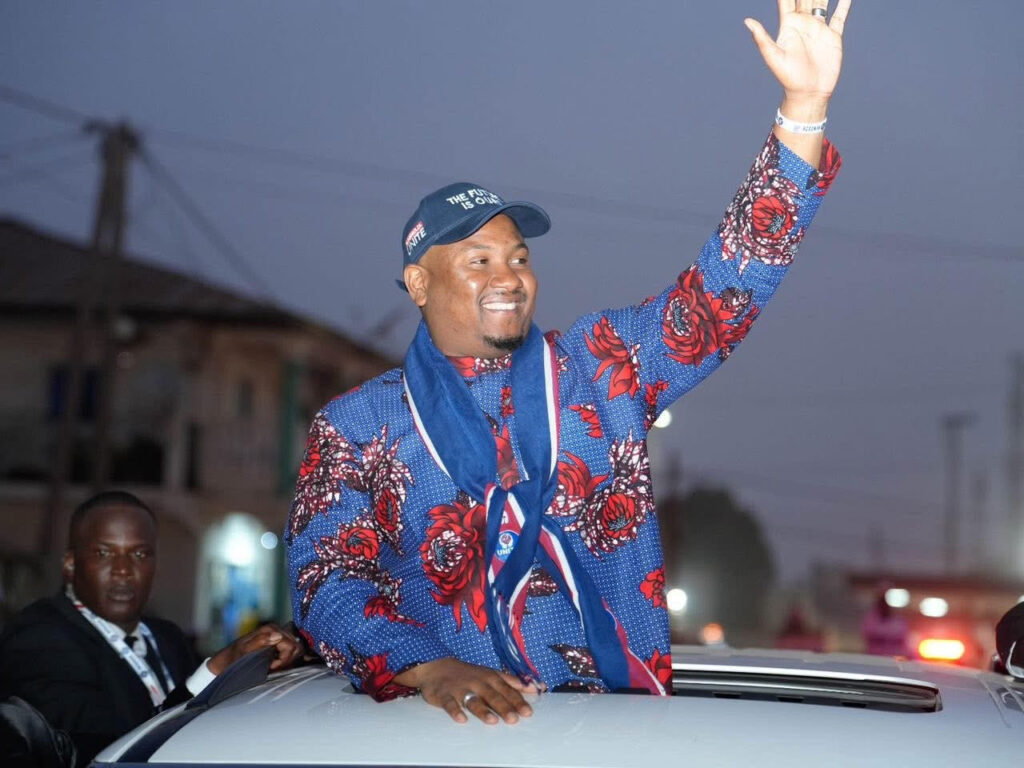
Talib Ahmed Bensouda, the Coalition 2026 presidential candidate and mayor of Kanifing, has expressed confidence that his coalition will defeat President Adama Barrow in the December 5 presidential election, accusing the incumbent of reneging on promises to limit presidential terms and strengthen democratic governance.
Speaking at a Coalition 2026 rally in Basori, Kombo East, on Wednesday, Mr. Bensouda said growing public support for his coalition had strengthened his conviction that Gambians were ready for a change in leadership.
He thanked residents of Basori for what he described as an overwhelming show of support, saying the coalition’s engagements with communities from Kartong to Koina demonstrated its growing appeal across the country.
Mr. Bensouda declared that Coalition 2026 would remove President Barrow from State House through the ballot box in December.
Taking aim at the president’s pursuit of another term, he argued that Gambians had already given Mr. Barrow sufficient opportunities to fulfill his promises.
He likened the president’s continued stay in office to a truck without brakes, warning that the country risked serious consequences unless voters intervened.
Turning to his coalition’s policy agenda, Mr. Bensouda outlined key priorities from its recently launched manifesto, focusing on governance, constitutional reform, and national security.
He said restoring public trust in government would be central to his administration, arguing that weaknesses in The Gambia’s legal and institutional frameworks had allowed successive presidents to exercise excessive authority with insufficient accountability.
Mr. Bensouda pledged to establish an independent anti-corruption agency to investigate and combat the misuse of public resources.
He argued that corruption had deprived essential sectors, including healthcare, education, and agriculture, of much-needed funding, with resources intended for public services instead benefiting a privileged few.
He said public office should be regarded as an opportunity to serve citizens rather than a means of accumulating personal or family wealth.
On constitutional reform, Mr. Bensouda renewed his commitment to introducing a two-term presidential limit, accusing President Barrow of abandoning the democratic reforms he had promised when he first came to power.
He recalled that Mr. Barrow had previously criticized the lengthy presidencies of Sir Dawda Kairaba Jawara and Yahya Jammeh and had initially pledged to lead a three-year transitional government.
Mr. Bensouda argued that the president’s subsequent pursuit of additional terms contradicted those earlier commitments, accusing him of seeking to remain in power for as long as 15 years.
He said constitutional safeguards were necessary to prevent future presidents from extending their time in office beyond two terms.
Citing examples from elsewhere in Africa, Mr. Bensouda praised Sierra Leonean President Julius Maada Bio for announcing that he would not seek another term in the country’s 2028 presidential election.
He said such a commitment reflected the kind of democratic leadership Gambians should expect from their elected officials.
Mr. Bensouda also pointed to presidential term-limit provisions in Senegal, Guinea, Ghana and Nigeria, questioning why The Gambia should remain without similar constitutional restrictions.
He maintained that meaningful democratic reform required leaders who were committed to transparency, accountability and the national interest.
Addressing security, Mr. Bensouda expressed concern over what he described as increasing incidents of killings and theft, arguing that the government had failed to adequately protect citizens.
He criticized President Barrow’s reliance on the Economic Community of West African States Mission in The Gambia (ECOMIG), accusing the administration of placing too much responsibility for national security in the hands of foreign forces.
Mr. Bensouda pledged that, if elected, his administration would end that reliance and restore full responsibility for the country’s security to Gambian forces.
He said he would formally thank ECOMIG for its service before taking steps to return security responsibilities to the Gambian military.
The Coalition 2026 candidate maintained that his proposed reforms were essential to rebuilding public confidence in government, strengthening democratic institutions and ensuring that national security remained firmly under Gambian control.
He urged voters to use the December election to bring about what he described as a new era of accountable leadership and democratic governance.
Comments are closed.