

By Seedy Jobe
Human rights activist Madi Jobarteh has called on political parties and coalitions contesting The Gambia’s 2026 presidential election to publish the agreements underpinning their alliances, arguing that voters have a right to know the terms negotiated by political leaders seeking to govern the country.
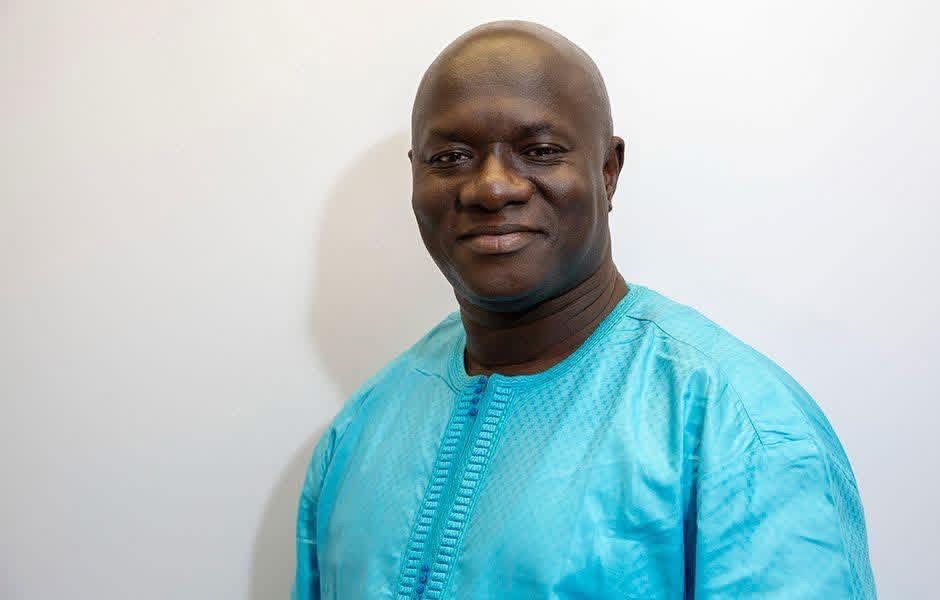
Mr. Jobarteh, executive director of the Edward Francis Small Centre for Rights and Justice, made the remarks during an appearance on Kerr Fatou’s weekly Grand Bantaba program, where he questioned what he described as a lack of transparency surrounding recently formed political alliances.
He said parties that present their coalitions as serving the national interest should make their memoranda of understanding, or MoUs, available to the public.
“If you have character, and if you mean what you say about The Gambia, publish it to the people,” Mr. Jobarteh said.
His remarks echoed an earlier call by the EFSCRJ, which said in August that several political coalitions had publicly announced and signed agreements without releasing the substantive terms of those documents.
Mr. Jobarteh directed his challenge across the political spectrum.
He called on UNITE, the National Unity Party, and their coalition partners to disclose the terms governing their alliance, arguing that an agreement presented as being in the interest of Gambians should be open to public scrutiny.
He made a similar appeal to the United Democratic Party, urging it to publish the agreement governing its Gambia First Coalition and allow voters to understand the commitments made among its partners.
Mr. Jobarteh also called on the governing National People’s Party to disclose the agreement between President Adama Barrow and Mama Kandeh, leader of the Gambia Democratic Congress.
The EFSCRJ has previously identified the NPP-GDC Coalition, the UNITE-NUP alliance, the Gambia First Coalition, and Coalition 2026 among the political groupings that signed agreements ahead of the December election but had not, as of late August, publicly released their substantive contents.
Mr. Jobarteh said the issue carried particular significance because of lingering disputes over the agreement that established the opposition Coalition 2016, which brought together several parties behind Mr. Barrow’s successful presidential campaign against former President Yahya Jammeh.
In the years after the election, prominent figures in that coalition offered differing accounts about the status and terms of its agreements. Mr. Jobarteh cited those disputes as a cautionary example of what can happen when important political agreements are not readily accessible to the public.
The controversy was particularly pronounced in 2017, when Ousainou Darboe, leader of the United Democratic Party, disputed that an MoU had been signed, while Halifa Sallah of the People’s Democratic Organisation for Independence and Socialism maintained that coalition members had signed an agreement. Fatoumatta Jallow-Tambajang, who served as chairwoman of the coalition, was identified as the custodian of its documents.
Mr. Jobarteh argued that such conflicting accounts can erode public confidence and said political leaders should avoid a similar dispute in the run-up to the 2026 election by making their agreements available before voters go to the polls.
Political parties, he said, exist to seek public office and manage the affairs of the state, making transparency over agreements that could shape a future government a matter of public interest.
“We cannot sit here while people claiming to be political party leaders are hiding things from the people,” Mr. Jobarteh said.
Comments are closed.