

Dr. Gajigo Accuses Barrow Administration of Failing to Address Electricity Crisis

By Makutu Manneh
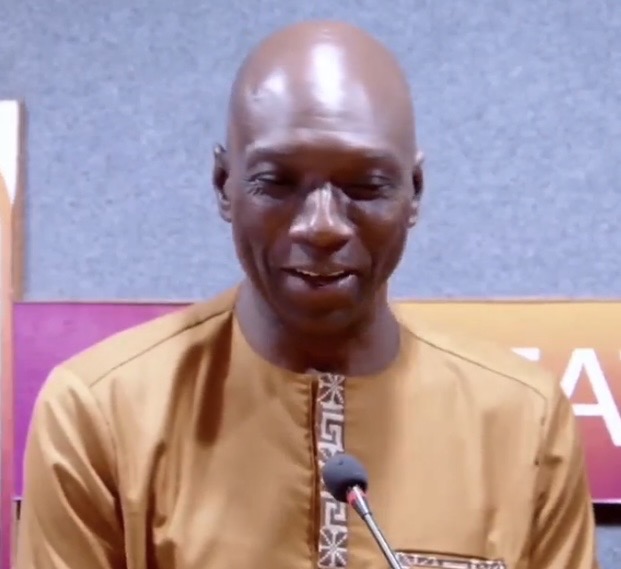
Dr. Ousman Gajigo, an economist and politician, has criticized President Adama Barrow’s administration for failing to resolve The Gambia’s persistent electricity problems, arguing that the government had both the time and resources to expand domestic power generation.
Speaking on Kerr Fatou’s Politic Kachaa program after protests erupted across parts of the Greater Banjul Area on Monday night over prolonged power outages, Dr. Gajigo said the country’s electricity problems predated the Barrow administration but had become increasingly severe.
He questioned why the government had not built a major power plant during nearly a decade in office, saying opportunities and financing had been available to make such an investment.
Dr. Gajigo said the government had spent about 15 billion dalasis on an agreement with a company supplying electricity from a floating power plant. He argued that the money could instead have been invested in permanent domestic generation infrastructure capable of substantially increasing the country’s electricity supply.
“The opportunity was there, and the money was there,” he said.
While acknowledging that electricity shortages existed before President Barrow took office, Dr. Gajigo said successive opportunities to address the underlying problem had been missed. He argued that electricity supply during the Barrow administration had remained unreliable and that the current disruptions represented one of the most serious periods of instability.
“Electricity is supposed to be available every day, constantly, and the voltage shouldn’t be fluctuating and should not be expensive,” he said.
Dr. Gajigo also criticized the cost of electricity in The Gambia, describing it as among the most expensive in Africa while remaining unreliable.
He said the country’s dependence on imported electricity had further exposed weaknesses in the power system. At the heart of the crisis, he argued, is insufficient domestic generation capacity and the failure to develop enough permanent infrastructure to meet the country’s electricity needs.
Comments are closed.