


By Fatou Sillah
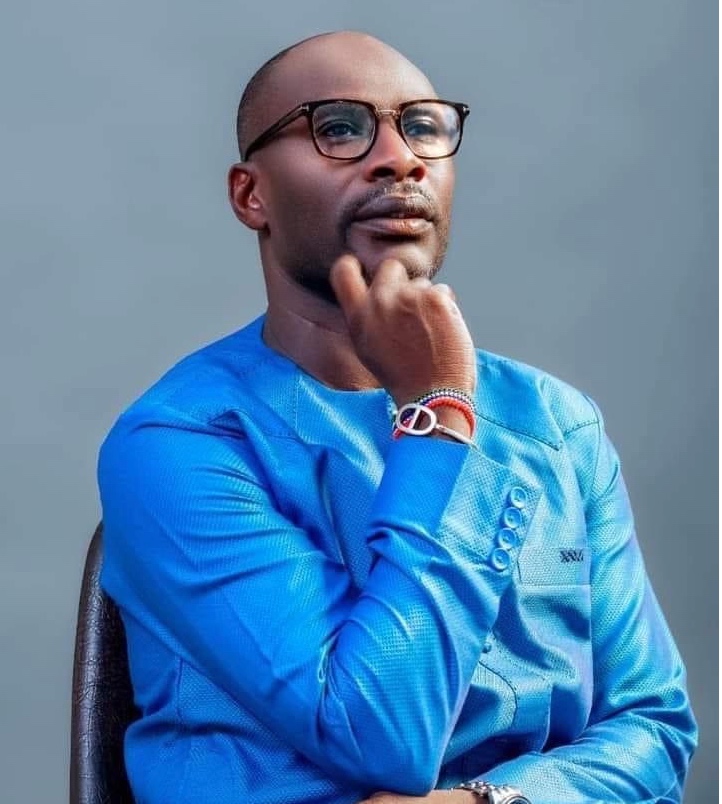
Essa Mbye Faal, leader of the opposition APP-Sobeya, accused President Adama Barrow of overseeing electoral changes that have left The Gambia’s voting system in worse shape than the one it inherited from former President Yahya Jammeh in an interview broadcast on West Coast Radio.
Mr. Faal argued that Mr. Barrow owed his rise to power to years of activism for electoral reform, led in part by the late opposition figure Solo Sandeng and Ousainou Darboe, leader of the United Democratic Party. He said that despite placing electoral reform at the center of his campaign, Mr. Barrow had instead enacted changes that made political participation harder rather than easier.
“President Barrow became the president of The Gambia because of the fight for electoral reform. Even when he was campaigning, electoral reform was central in his agenda. What reforms did he do? He did a reform that created a worse electoral system than Yahya Jammeh left here,” Mr. Faal said.
He singled out the sharp rise in nomination deposits under the new law, including an increase in the fee for presidential candidates to one million dalasis, along with higher deposits for mayoral and councillor candidates. Mr. Faal said the increases had placed elected office out of reach for many Gambians.
He argued that tying political participation to a candidate’s financial resources ran counter to the spirit of the Constitution, which he said was intended to promote broad democratic participation. He added that the changes were making it increasingly difficult for opposition parties to compete against the governing party.
“Right now, how many people can now run for president? Very few people because you have to pay a deposit of one million dalasis,” he said.
Mr. Faal said the cumulative effect of the changes was to turn The Gambia into what he described as a de facto one-party state by making it harder for ordinary citizens to take part in political life.
Comments are closed.