


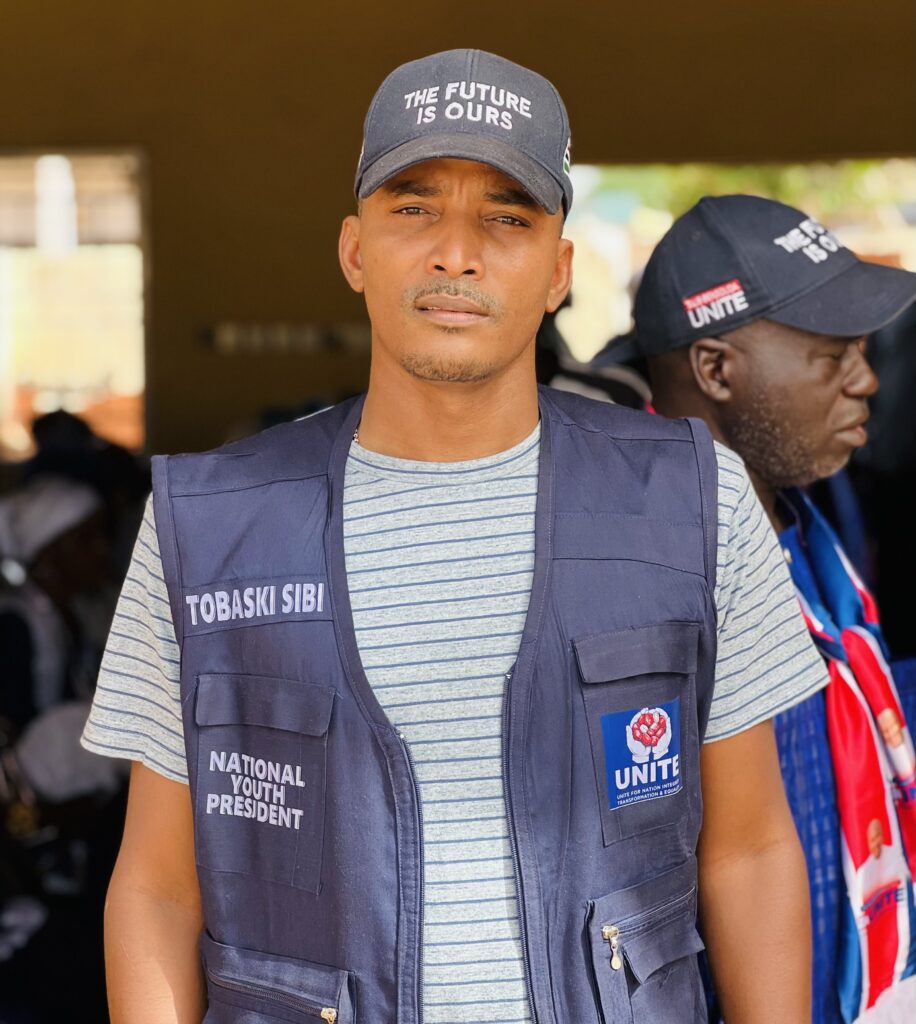
By Fatou Sillah
The National Youth President of the UNITE Party, Tobaski Sibi, has downplayed the political significance of the People’s Progressive Party’s (PPP) decision to align with the United Democratic Party (UDP), arguing that the alliance is unlikely to substantially strengthen the opposition party ahead of the next elections.
Speaking in an interview with Eye Africa, Sibi said the PPP, while historically one of The Gambia’s most influential political parties, no longer commands the level of grassroots support or electoral mobilization it once did.
“I don’t think they will add any significant value to the United Democratic Party,” Sibi said. “There are other political parties that, if they were to join the UDP, would have a much greater impact in terms of mobilizing people.”
He argued that the PPP’s decision to back the UDP reflected its diminished electoral capacity rather than a strategic shift likely to reshape the political landscape.
“I don’t think they will have to add any significance to the United Democratic Party. The reason I say that is because there are many more significant political parties that I believe if they join the UDP, that will make more significance in terms of human mobilisation,” he said.
Sibi nevertheless acknowledged the PPP’s historic contribution to Gambian politics, noting its role in the country’s struggle for independence. He said, however, that the party’s organizational strength has waned over time.
“PPP joins the United Democratic Party to support them in these upcoming elections. They have seen that they don’t have the strength to contest in the elections; that is why they join so that they can push the agenda of the UDP,” he said.
Sibi nevertheless acknowledged the PPP’s historic contribution to Gambian politics, noting its role in the country’s struggle for independence. He said, however, that the party’s organizational strength has waned over time.
“PPP used to have a support base; they had grassroots, even though they are doing their congress, the party has relaxed a lot,” he said.
Sibi also raised broader questions about the organizational readiness of some political parties, suggesting that an audit by the Independent Electoral Commission (IEC) of requirements such as maintaining active regional offices and holding regular congresses could test whether some parties remain compliant.
He identified PDOIS, APRC, No To Alliance, UNITE, GDC, and NDP as among the parties and political movements currently drawing attention in The Gambia’s evolving political landscape.
The PPP recently announced its decision to align with the UDP as opposition parties continue to position themselves ahead of the country’s next electoral cycle.
Comments are closed.