

Labour Bill Introduces Licensing System for Worker Deployment to Countries Without Bilateral Agreements

By Fatou Sillah
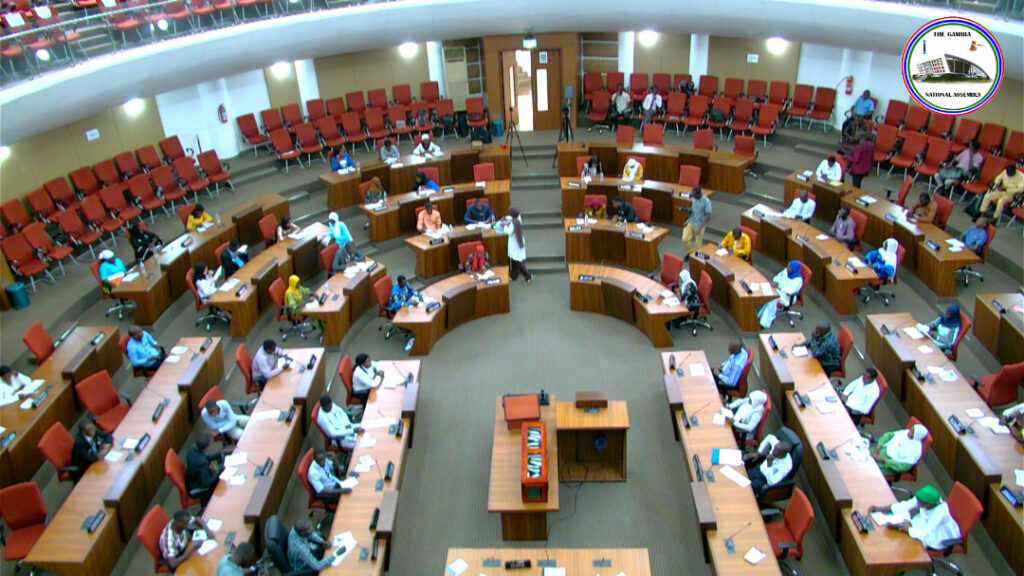
The National Assembly has approved an amendment to the Labour Bill 2026 that would allow the government to authorize the deployment of Gambian workers to countries where The Gambia has no bilateral labor agreement through a ministerial licensing system aimed at strengthening worker protections.
The amendment, introduced by Trade, Industry, Regional Integration, and Employment Minister Modou K. Sise during the bill’s consideration stage, empowers the minister to issue licenses to registered employment agencies seeking to recruit and deploy workers to non-bilateral destinations, subject to conditions prescribed under the law and its accompanying regulations.
Under the provision, “the minister may grant a license to permit the deployment of a worker to a country with which The Gambia does not have a bilateral labor agreement, upon application by a licensed employment agency and subject to such conditions as the minister may determine or as set out in the Regulations made under this Act.”
Defending the amendment before lawmakers, Mr. Sise said the proposed framework would provide greater safeguards for Gambian workers than the current system, under which such deployments occur without a formal licensing mechanism.
“I think we are better off with a licensing agreement than without, because at least we have someone that we can hold to account in the event of abuse or other unexpected circumstances,” he said.
The proposal prompted questions from several National Assembly members, who expressed concern about how the government would protect Gambian workers in countries where no formal labor agreements exist. They asked who the government would engage with if workers encountered exploitation or other challenges abroad.
Mr. Sise responded that the licensing regime would impose legal obligations on employment agencies while giving the government authority to supervise their operations, enforce compliance, and revoke licenses where agencies fail to meet their responsibilities.
“We can withdraw the license, and we can also introduce certain responsibilities for the license holder to provide protection and safeguard our Gambian workers. Currently, we don’t have any of this,” he said.
Following the consideration stage, the Labour Bill 2026 was referred to the Assembly Business Committee for scheduling of its third reading.
Comments are closed.