


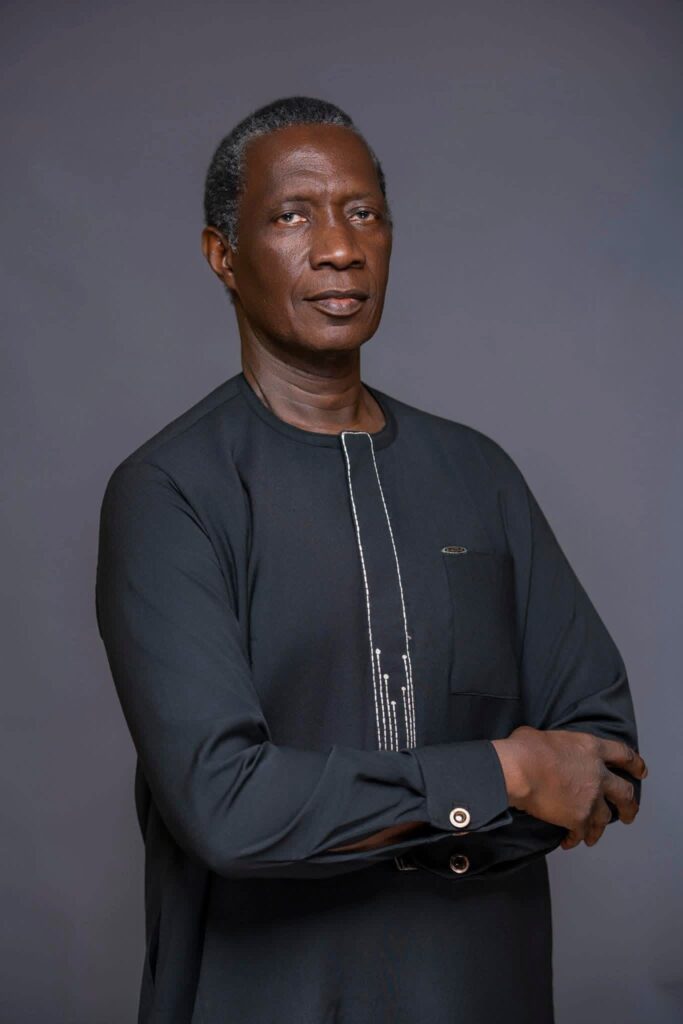
By Seedy Jobe
Lamin Manneh, the United Democratic Party’s deputy administrative secretary for external affairs, said Thursday that the Gambia First Coalition agreement was designed to respect the 1997 Constitution and that any proposed changes requiring constitutional amendments would be pursued through established legal processes.
In an interview with Kerr Fatou, Mr. Manneh addressed questions about whether some provisions of the coalition agreement could conflict with the Constitution. He said the UDP’s position throughout the CMC 2026 negotiations, which the party later withdrew from, was that no agreement should authorize actions that fall outside the law.
“We will not do anything that does not align with the Constitution,” Mr. Manneh said.
He said that if any provision of the coalition agreement is inconsistent with the Constitution, a president elected under the coalition would not have the authority to implement it without first pursuing the necessary constitutional changes.
Mr. Manneh said the coalition intends to address such reforms through a broader constitutional review, including reviving the 2020 draft Constitution and incorporating agreed-upon changes into it.
The aim, he said, is not only to ensure that the coalition’s proposals comply with the law but also to strengthen safeguards against the concentration of power in the presidency.
“The power that the president has today is too much,” Mr. Manneh said. “We said we must reduce some of those powers.”
Mr. Manneh said those safeguards should apply regardless of who occupies the presidency, including Ousainu Darboe, the UDP’s presidential candidate. He argued that no individual should be entrusted with unchecked authority because presidential powers can be abused in the absence of strong institutional constraints.
Among the areas he identified for reform were the president’s powers over appointments to key public offices, including the inspector general of police, auditor general, governor of the Central Bank and accountant general.
Mr. Manneh said the president should not have sole authority to appoint and dismiss officials holding such positions. Instead, he proposed a greater role for the National Assembly in the selection and confirmation process, which he said would strengthen transparency and accountability.
Allowing such appointments to remain largely at the discretion of the president, he argued, risks making personal preference, rather than merit and institutional independence, the determining factor in who holds important public offices.
For Mr. Manneh, reducing those presidential powers is central to the coalition’s proposed constitutional reforms and to creating stronger checks on executive authority, irrespective of which political party controls the presidency.
Comments are closed.