


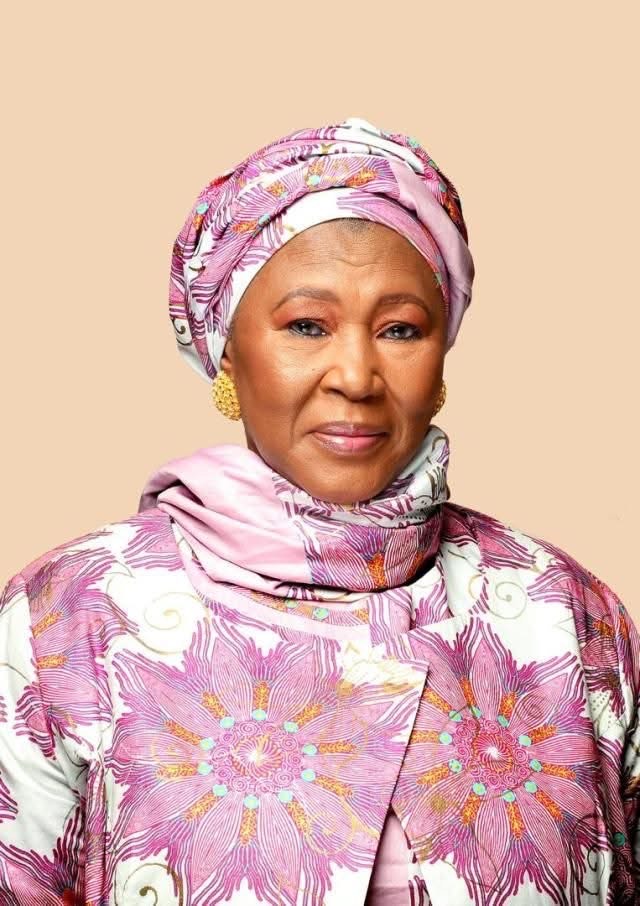
Former Vice President Fatoumata Jallow Tambajang
By Seedy Jobe
Former Vice President Fatoumata Jallow Tambajang sharply criticized President Adama Barrow’s political alliance with the former ruling APRC on Tuesday, calling the partnership “unethical” and an affront to national reconciliation efforts.
Speaking at an event titled A Chat with Youth Influencers, the 75-year-old politician also outlined an ambitious digital-economy agenda aimed at transforming the fortunes of Gambian content creators should she win the 2026 presidential election.
Tambajang, who formally declared her candidacy earlier this year, said her administration would position The Gambia as a regional center for digital innovation, with a focus on enabling influencers, YouTubers, and other online creators to earn a sustainable income. She pledged to collaborate with international and local experts to design monetization frameworks that would give young Gambians access to global markets.
“We will work with specialists to explore every avenue, ensuring our talented youth can turn their passion into sustainable income,” she told the audience, many of whom were young digital entrepreneurs navigating a still-nascent online economy.
But it was her critique of the Barrow administration that drew the sharpest reactions. Tambajang condemned the president’s decision to align with the APRC, the party of former strongman Yahya Jammeh, and to elevate APRC figures to key parliamentary leadership posts. “I think bringing APRC as speaker and deputy speaker is a slap to the nation,” she said. “He did it for his personal interest.”
She argued that meaningful reconciliation after two decades of authoritarian rule requires accountability, suggesting a five-year political ban on the APRC as part of a broader transitional justice process.
Tambajang also highlighted women’s political participation, electoral accessibility, and healthcare reform as central pillars of her platform. “My legacy is to see many more women in the political arena, in diplomacy, and in other sectors of the economy,” she said, adding that a restructuring of the health sector—including improved staffing and medical competency- would be among her early priorities if elected.
With the 2026 presidential race beginning to take shape, Tambajang’s blend of digital-economy promises and pointed attacks on the incumbent signals a campaign likely to resonate with younger voters eager for both economic opportunity and political accountability.