

Minister Bah Says 62% of Court Cases Are Land-Related, Announces Digital Records and Titling Push

By Makutu Manneh
Land disputes account for nearly two-thirds of all court cases in The Gambia, according to Lands Minister Hamat N.K. Bah, who said the government is introducing a new land policy and digital registration system aimed at curbing conflicts over ownership and easing pressure on the judiciary.
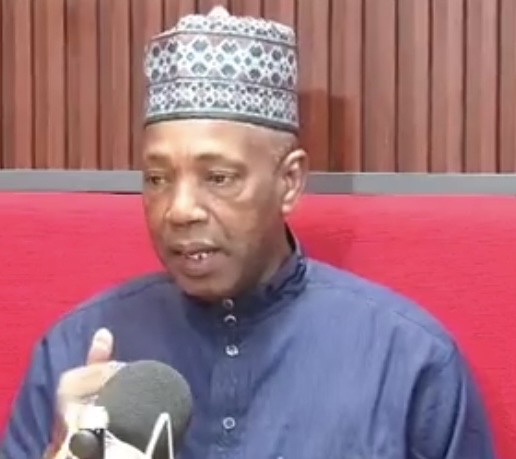
Speaking on GRTS Radio, Mr. Bah, the Minister of Lands, Regional Government and Religious Affairs, said land-related disputes constitute about 62 percent of cases before the courts, consuming judicial resources that could otherwise be devoted to other matters.
The scale of the problem, he said, has prompted efforts to establish a special court dedicated exclusively to land disputes at the High Court level.
“This should start soon; the retired chief justice already set up the committee for the court,” Mr. Bah said.
Mr. Bah described land disputes as a potentially serious threat to social stability, noting that The Gambia, one of the smallest countries on mainland Africa, faces growing pressure over land ownership and use.
He said preventing land conflicts from escalating was among his top priorities when he took charge of the ministry. One of the government’s first major steps, he said, was developing a comprehensive national land policy to establish clearer rules for the management, allocation, and use of land.
The policy, developed with support from the World Bank, took effect on Jan. 1, 2026, according to Mr. Bah. He described it as the country’s first comprehensive national land policy since independence.
The government is also developing a Land Information System that Mr. Bah said would create a digital record of landholdings across the country, an effort intended to reduce multiple allocations, competing ownership claims, and fraudulent transactions.
“This will create a proper record of every land in the country; it will be digitalized,” he said. “With the help of the World Bank, we got consultants that are working on it, and hopefully we get the draft by the end of this September. We are also working on digitizing our land record archives.”
Mr. Bah said the government also intends to expand formal land titling, including for privately owned homes, to provide clearer evidence of ownership.
A pilot titling program has begun in the West Coast Region, he said, an area the government has identified as having the country’s highest concentration of land disputes.
The reforms come amid longstanding concerns in the Gambia over multiple sales of the same property, overlapping allocations, unclear documentation, and allegations that politically or economically powerful individuals have used their influence to take control of disputed land.
Mr. Bah said the government’s broader objective was to replace an often-fragmented land administration system with one that provides reliable ownership records and greater transparency.
He said the new policy, digital records, and expanded titling program should make it more difficult for people to deceive buyers or use positions of power to seize land belonging to others.
For the government, Mr. Bah said, resolving weaknesses in the land administration system is not simply a matter of property management but an effort to reduce disputes before they reach the courts and prevent conflicts over land from becoming a wider source of instability.
Comments are closed.