

Interpol Gambia Commissioner Explains How Cross-Border Crimes Are Reported and Investigated

By Seedy Jobe
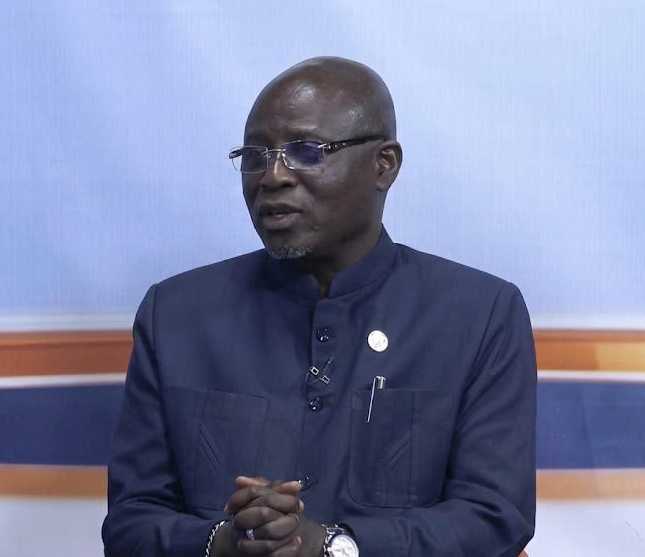
Pa Alieu Jawara, Commissioner of Interpol, The Gambia, said complaints involving possible international crimes must first be reported to local police before they can be referred to Interpol for further action.
Speaking Monday, Sept. 7, on QTV’s This Morning program to mark the International Day of Police Cooperation, Mr. Jawara explained how cases with cross-border elements are handled and discussed some of the challenges facing international police cooperation, including differing national laws, extradition hurdles, and limited resources for fighting cybercrime.
“People don’t actually come to us directly,” Mr. Jawara said.
Instead, he said, a person must first report a case to the appropriate unit of the Gambia Police Force. Officers will then assess the complaint and determine whether it has an international dimension requiring Interpol’s involvement.
“There is a threshold always,” he said, stressing that not every case is referred to international partners.
Mr. Jawara said Interpol facilitates cooperation among police agencies around the world through established agreements and other mechanisms coordinated through its international network.
Within West Africa, he said, The Gambia maintains strong working relationships with neighboring countries, including Senegal, Mauritania, and Guinea-Bissau. But cooperation can become complicated when countries operate under different laws and procedures.
Those differences can affect requests involving fugitives and the exchange of intelligence, he said. Some countries are also more reluctant than others to share certain information, which can slow investigations.
Mr. Jawara described cybercrime as a relatively new and rapidly developing challenge for many countries, including The Gambia. He said the Gambia Police Force has established what he called a “robust and strong cybercrime unit,” which has helped secure convictions through arrests, investigations, and intelligence sharing.
But technology remains a significant constraint.
Mr. Jawara said the police leadership and government have provided equipment and training, while Interpol headquarters and its regional bureau in Abidjan have also supported Gambian officers. Still, he said, additional technological resources are needed as cybercriminals adopt increasingly sophisticated methods.
He also highlighted the West African Police Information System, known as WAPIS, which allows participating countries to collect and share police information across the region and connect it with Interpol’s broader databases. The Gambia participated in the system’s pilot phase and continues to maintain it nationally, he said.
Extradition, however, remains among the more difficult aspects of international police cooperation.
Mr. Jawara said extradition generally depends on the legal arrangements between the countries involved and requires government-to-government procedures, including engagement through the Ministry of Foreign Affairs. Police agencies, he said, primarily provide operational assistance.
Countries can also be reluctant to surrender their own citizens to face prosecution elsewhere, he said. In practice, cooperation is often easier when a country is seeking the return of one of its own nationals.
When extradition is not possible, Mr. Jawara said, Gambian investigators may instead travel to the country where a suspect is located and assist authorities there with a prosecution.
Mr. Jawara called for continued investment in the Gambia Police Force, arguing that law enforcement must constantly adapt as criminal methods evolve.
“There’s never enough for the police, if I may put it that way,” he said.
Additional government support, as well as assistance from partner organizations, he added, would strengthen the force’s ability to investigate crimes and cooperate with law enforcement agencies beyond The Gambia’s borders.
Comments are closed.