

Gambian Press Veteran Sounds Alarm: Government Media Rules Threaten Hard-Won Freedom

By Makutu Manneh
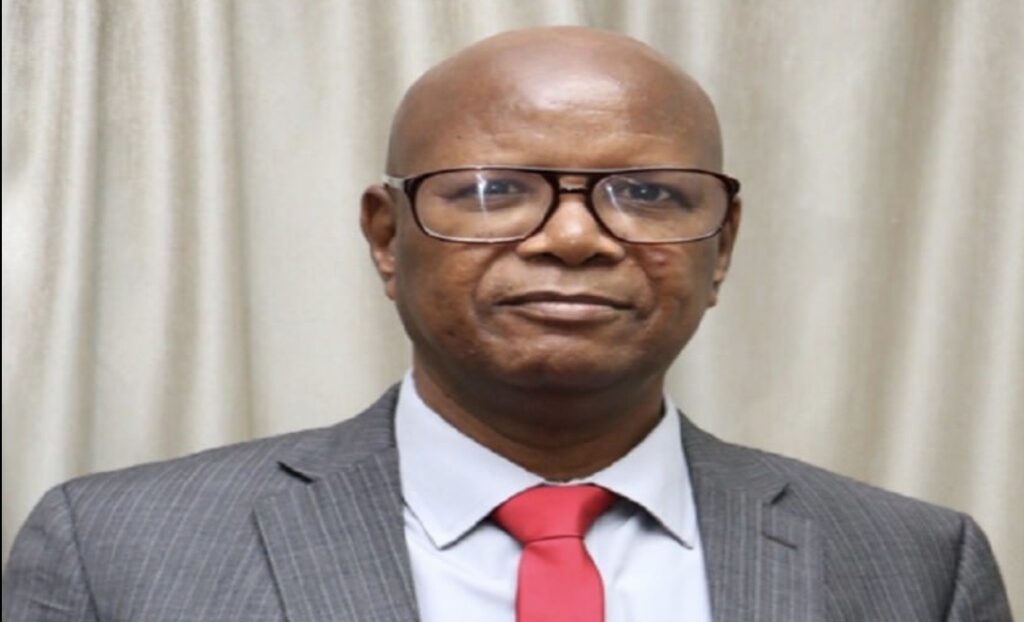
Demba Ali Jawo, a veteran journalist and former information minister, warned on Monday that proposed government policies aimed at regulating journalists and online broadcasters risk undermining press freedom gains made in recent years.
Mr. Jawo said the draft National Press Accreditation Policy for The Gambia and the Broadcasting and Online Content Regulations, 2025, introduced under the government of Adama Barrow, contain elements that could allow authorities to exert greater control over the media.
Speaking on the program Coffee Time with Peter Gomez, Mr. Jawo expressed concern that requiring formal accreditation for journalists could open the door to government interference in newsroom activity.
“If you bring that element of registration within the journalism field, then it appears there is an attempt somehow to control what the journalists do,” he said. “And we are definitely concerned about that.”
His comments followed a joint statement issued by several former presidents of the Gambia Press Union rejecting the proposed policies, which they say could erode the independence of the press.
Mr. Jawo, who spent decades reporting under the authoritarian government of Yahya Jammeh, said the proposed regulations evoke earlier periods when accreditation requirements, licensing rules, and security vetting were used to restrict journalists’ work.
Having lived through those years, he said, the proposals appear to revive tools once used to control the media.
“We have fought so hard to bring Gambian media to where it is today,” he said. “Any attempt, even a semblance of trying to take us back to those days, is a big worry for us.”
Although he is now retired, Mr. Jawo said he felt compelled to speak out because of the potential impact on younger journalists entering the profession.
“No amount of draconian law will affect me now,” he said. “But I cannot sit and watch what we fought for being eroded.”
He also questioned the need for additional government oversight of the media sector, arguing that existing institutions already provide mechanisms for accountability.
“The media sector is working just fine,” he said, pointing to the work of the Gambia Press Union and the country’s press council in promoting ethical standards.
“The media, in particular, is better self-regulated than subjected to government intervention,” he added, calling the proposed policies “quite worrisome.”
Comments are closed.