

Dr. Gajigo Blames Leadership Failure and Lack of Domestic Generation for Power Crisis

By Seedy Jobe
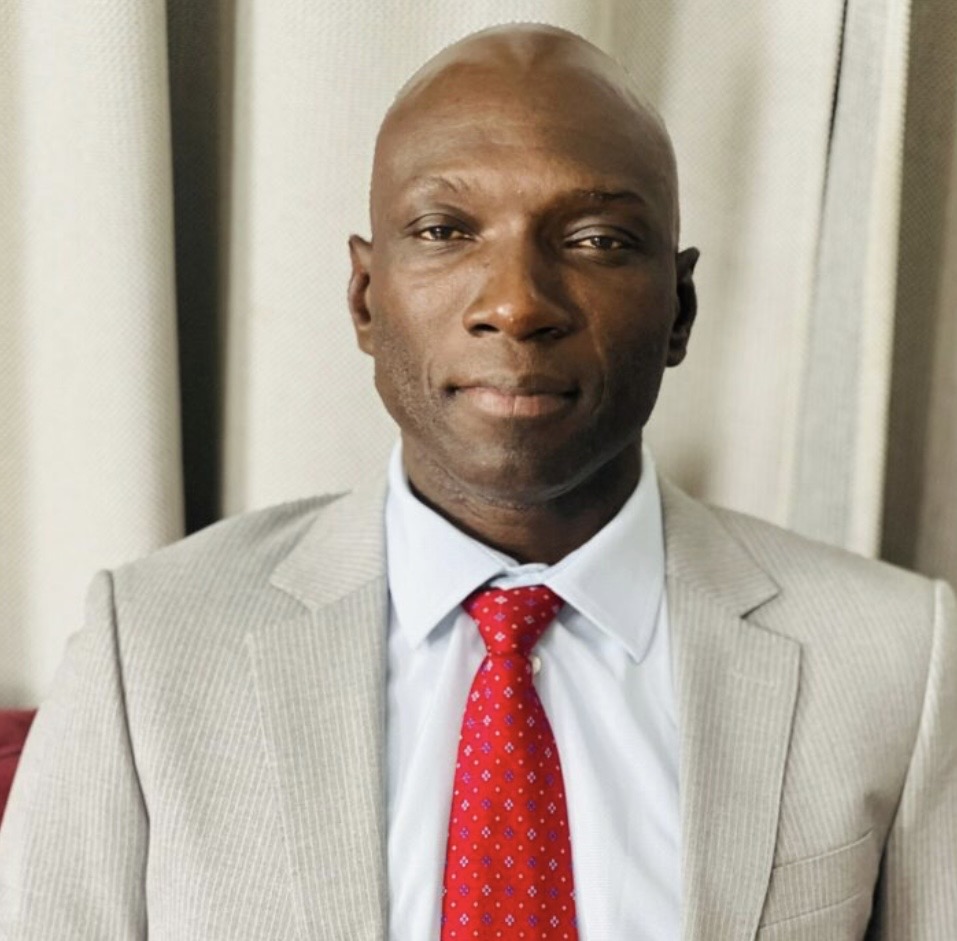
Dr. Ousman Gajigo, an economist and politician, has blamed The Gambia’s worsening electricity crisis on years of inadequate investment in domestic power generation, describing the failure as a consequence of poor government leadership.
Speaking on QTV’s Decision 2026 program, Dr. Gajigo said the roots of the crisis could be traced to 2017, when the government, with support from the World Bank, adopted an energy sector roadmap aimed at achieving universal access to electricity by 2025.
The plan, approved by the cabinet of President Adama Barrow in October 2017, called for more than 100 megawatts of additional generation capacity. That included 60 megawatts from solar energy and 48 megawatts from heavy-fuel-oil power plants, alongside imported electricity.
But Dr. Gajigo said the government failed to follow through on the domestic generation component of the plan, relying instead on what was initially meant to be a temporary arrangement with Karpowership.
“The temporary arrangement would have been something like one to two years, or three years max, while you make plans for ensuring that investment in those domestic generations are done,” he said.
Instead, he said, the arrangement has continued for about seven years, during which The Gambia has spent more than $200 million—nearly D15 billion—on Karpowership.
Dr. Gajigo said there has been little meaningful investment in new domestic generation during that period. The country’s operational solar plant in Jambur produces no more than 10 megawatts, he said, while other interventions have largely involved repairing existing generators rather than adding substantial new capacity.
Drawing on his experience working on power projects at the African Development Bank and other institutions, Dr. Gajigo said large-scale power plants cannot be procured and installed as quickly as household generators. Utility-scale projects, he noted, can take months or even more than a year to assemble, construct, and bring online.
For Dr. Gajigo, the failure to implement the 2017 roadmap reflects a broader problem of governance.
“The reason why it didn’t occur is because of the failure of the government to implement a plan that it actually agreed to—even a plan that it got assistance on,” he said. “And why did that plan fail? Because it’s a leadership failure. And that leadership failure is what has manifested itself; it is what we are undergoing today as a country.”
He said Karpowership was intended as a stopgap while the government developed new domestic sources of electricity. But without parallel investment in solar and thermal generation, he argued, the country became increasingly dependent on imported power.
“The single direct reason is that we have not had domestic electricity generation,” Dr. Gajigo said.
He said the current crisis is ultimately the result of the gap between the government’s energy plans and their implementation.
Comments are closed.