

Taxi Fares Across The Greater Banjul Area Have Skyrocketed Placing Unbearable Pressure On Ordinary Gambians Already Struggling With The Rising Cost Of Living- Mayor Bensouda

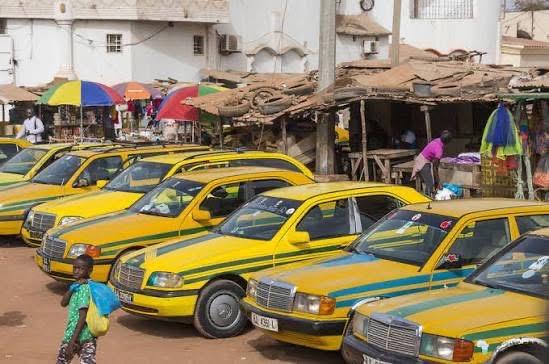
Opinion By Mayor Talib Bensouda
Today’s standoff at Westfield Garage, where commuters refused to pay higher fares and drivers refused to move, is a warning sign: the system is under strain. Reports of police intervention and confiscation of drivers’ documents only deepen the tension.
But let’s be honest this crisis did not start today.
The Gambia’s transport sector is almost entirely dependent on imported fuel, with pump prices directly tied to global oil markets and exchange rate pressures. When global shocks hit, local transport costs rise immediately. Yet, there are no structured fuel subsidies, no targeted support for commercial transport operators, and no price stabilization mechanism to cushion the impact.
At the same time, most of our taxis and commercial vehicles are aging, inefficient, and expensive to maintain driving up operating costs for drivers who are already working on thin margins. There is also no comprehensive urban transport policy, no regulated fare adjustment formula, and limited investment in mass transit systems to ease the burden on commuters.
This is why I have repeatedly called for proactive planning.
Two months ago, I raised concerns about global instability and its likely impact on fuel prices and inflation. Instead of engaging the substance of the issue, we were told inflation was falling. Today, reality is catching up with us.
Governance must be deliberate. It must anticipate shocks, not react to crises.
I sympathize deeply with our taxi drivers and transport operators they are not the enemy; they are victims of the same system. But I also appeal for calm and restraint. Sudden fare hikes without coordination only deepen hardship for citizens.
What is needed now is urgent dialogue between government and transport unions, backed by real solutions:
Temporary fuel or transport subsidies, A clear and fair fare adjustment framework, Support for fleet renewal and efficiency, Investment in affordable mass transit options
The pain is already here. The question is whether leadership will respond with policy or continue with rhetoric.
Comments are closed.