


By Makutu Manneh
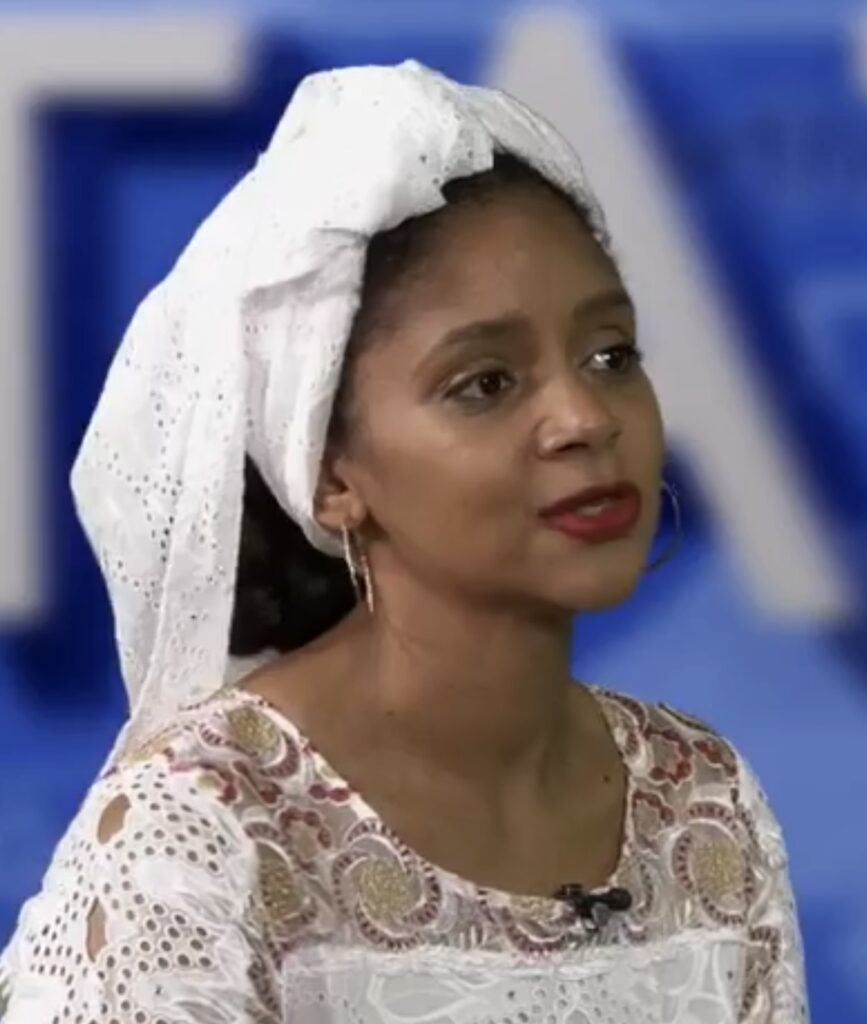
Ida Persson, head of The Gambia’s post-Truth, Reconciliation and Reparations Commission unit and special adviser to the justice minister on transitional justice, said she is confident that former President Yahya Jammeh will ultimately be held accountable for alleged crimes committed during his rule.
In an interview with QTV on Tuesday, Ms. Persson said she had “no doubt” that Mr. Jammeh would face justice, citing her background as an international prosecutor and what she described as the far-reaching nature of accountability efforts.
“How that story will unfold and what will be the end result, I cannot tell,” she said. “But the commitment and preparation for us to go fully into the accountability process — I have no doubt about that.”
The Gambia has been working to prosecute Mr. Jammeh, who ruled the country for 22 years, over allegations of widespread human rights abuses. A 2021 report by the Truth, Reconciliation and Reparations Commission concluded that Mr. Jammeh bore responsibility for grave crimes, including unlawful killings, torture, and enforced disappearances. The government accepted most of the commission’s recommendations.
In May 2024, the authorities established a Special Prosecutor’s Office to pursue cases arising from the commission’s findings. In December 2024, the Economic Community of West African States approved the creation of a hybrid court to try crimes committed during the Jammeh era.
Still, significant challenges remain, including the fact that Mr. Jammeh lives in exile in Equatorial Guinea, beyond the immediate reach of Gambian authorities.
Addressing concerns about delays in implementing the commission’s recommendations, Ms. Persson said funding constraints have been a major factor. Transitional justice efforts, she noted, are unfolding alongside the country’s broader national development agenda.
She emphasized that while the government remains committed to financing accountability and reparations initiatives, such processes typically require support from international partners.
“It is not like everything in the Gambia has just paused for transitional justice; it is an added load, and that is why transitional justice, not just in the Gambia but anywhere in the world, is not only funded by the government but also by the international community,” she said.
Comments are closed.