


By Seedy Jobe
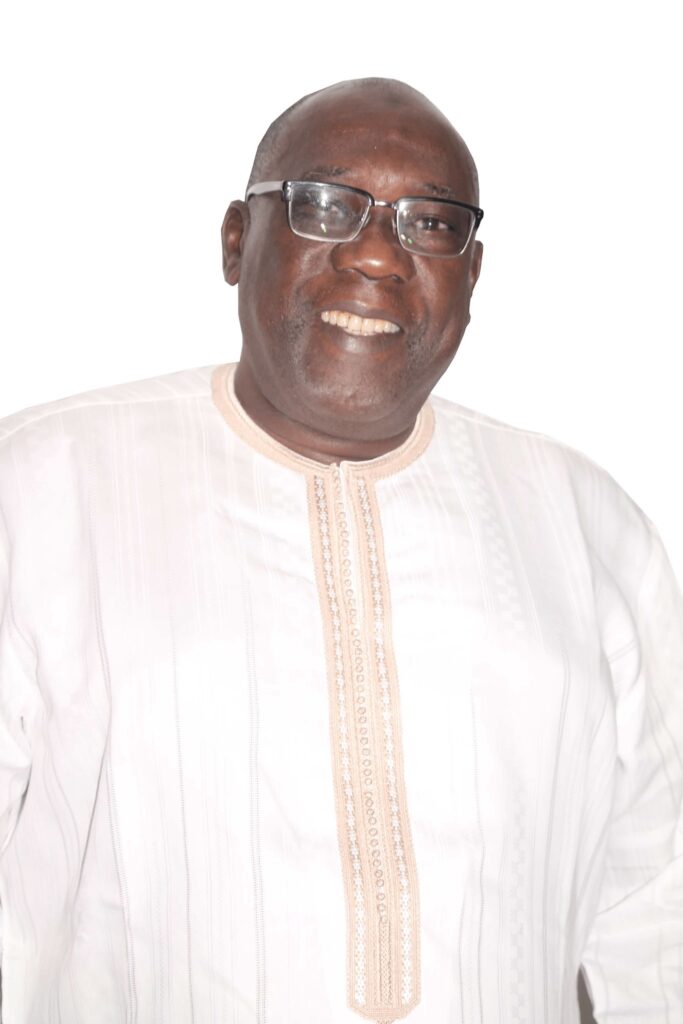
Pa Njie Girigara, a Gambian politician and retired businessman, has publicly praised the United Democratic Party (UDP), describing it as the second-largest political party in the country and asserting that no opposition leader currently commands a comparable following.
In a WhatsApp audio message circulating, Girigara—who clarified that he is not a UDP member—said the party’s nationwide mobilization efforts demonstrate its strength and influence.
“If you see UDP wanting to lead a coalition, they are right,” he said, arguing that the size and consistency of UDP campaign crowds justify such ambitions. He added that the party has historically placed second in elections and predicted a similar outcome in 2026.
According to Girigara, political competition in The Gambia has increasingly shifted toward individual popularity, and UDP, backed by strong grassroots support, is well positioned. He commended the party’s loyal supporters, noting that militants contribute their own funds and sponsor mobilization initiatives.
“Gambian politics is now politics of personality. UDP is the one on the ground, so that’s why when they stand up and say they will not go with anyone, no one will lead them, and whoever wants, you rally behind them, they are telling the truth, and that’s a fact,” he stated.
Girigara’s remarks come amid heightened speculation surrounding potential opposition alliances ahead of the 2026 presidential election. Analysts say the comments could intensify debate regarding UDP’s role in the opposition landscape.
He criticized rival parties for relying heavily on social media and media appearances, saying, “They are only on social media, going to radios and televisions talking to people. It’s as if those parties believe that gathering 200 supporters is significant.” He contrasted this with the UDP’s nationwide tour, which he claimed had attracted overwhelming crowds.
Girigara concluded that UDP’s capacity for mass mobilization remains unrivaled among opposition parties. “Love it or hate it, UDP occupies the ground apart from NPP, and that’s the truth.”
His comments underscore the significant influence UDP continues to wield and suggest that other opposition parties may need to reassess their strategies, strengthen their grassroots presence, or consider forming alliances if they hope to effectively challenge the party in the 2026 elections.
Comments are closed, but trackbacks and pingbacks are open.