


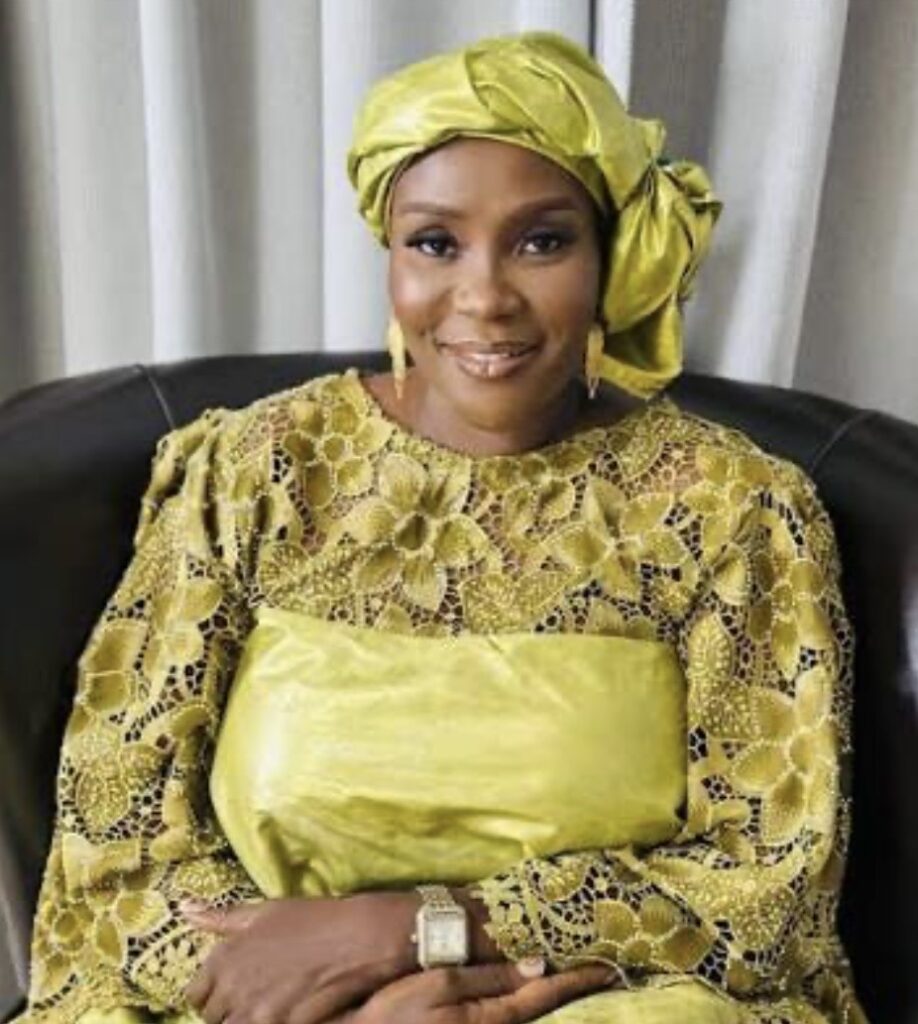
By Seedy Jobe
Nenneh Cheyassin Secka-Kebe of the People’s Progressive Party (PPP) says entrenched gender stereotypes, personal attacks, and limited financial support continue to discourage women from seeking elected office in The Gambia, warning that the country’s next parliament is unlikely to see a significant increase in female representation.
In an interview with The Alkamba Times, Ms. Secka-Kebe said the political environment remains inhospitable for women, despite growing calls for greater gender inclusion.
“The perception has already been built that women cannot be leaders,” she said. “And then it takes too much grit because of the personal attacks, because of the way that they have made me feel uncomfortable, because they don’t have the resources; most of them will not run.”
Ms. Secka-Kebe said very few women are contesting elective office and expressed little optimism that women would gain substantially more representation in parliament following the next election. She said, in her view, the legislature is likely to remain dominated by men.
She described her role as serving as a bridge and a voice for those who lack one. Drawing on her experience living abroad, Ms. Secka-Kebe said women in The Gambia receive insufficient support and are expected to “be everything to everybody.”
Beyond the issue of women’s political participation, Ms. Secka-Kebe criticized President Adama Barrow’s handling of the country’s security situation.
She accused the president of failing to address growing public concerns over crime and of remaining largely absent during a period of increasing violence. As an example, she cited what she described as seven stabbing incidents within six weeks, as well as recurring deadly confrontations involving young people.
Ms. Secka-Kebe argued that the president should address the nation through radio and television to explain how his government intends to strengthen the country’s security infrastructure and reassure the public. She also claimed that the president appears indifferent to national concerns and responds only when issues affect him personally.
She further questioned why the president has not explained the prevalence of drugs on the streets or why, in her view, many young people are under the influence of drugs.
Ms. Secka-Kebe also criticized the police, accusing them of focusing on traffic enforcement and revenue collection rather than providing structured security in areas where residents are most vulnerable.
“There’s nothing in place,” she said.
Comments are closed.