


By Seedy Jobe
The National Disaster Management Agency (NDMA) says it has strengthened preparedness measures ahead of the rainy season but warned that flooding and other disasters remain likely in vulnerable communities across The Gambia.
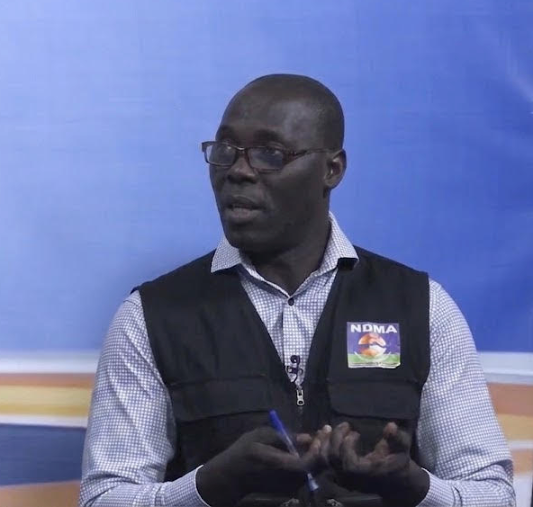
Speaking Monday on QTV’s This Morning program, NDMA representative Momodou K. Ceesay said the agency spent the months leading up to the rainy season reviewing gaps from previous years, training personnel, and engaging communities considered particularly vulnerable to disasters.
“Disasters will certainly strike. It’s a matter of time and where, but disasters will always hit because sometimes you don’t have control over nature,” Ceesay said.
He said the NDMA’s disaster management strategy is built around four areas: preparedness, mitigation, response, and recovery.
As part of its preparedness efforts, Ceesay said the agency trained about 20 staff members over 10 days in incident management, information technology, and the use of artificial intelligence for forecasting.
He said the agency is increasingly incorporating digital tools into its operations, including KoboCollect, to speed up data collection and reporting during emergencies.
The NDMA has also partnered with UNICEF to train 100 data collectors who will assist in producing situation reports throughout the rainy season. Ceesay said the agency is using seasonal forecasts from the Department of Water Resources to assess potential risks and guide community sensitization efforts.
With support from the WACA project and the World Bank, the agency also conducted a 10-day house-to-house sensitization campaign along the Kotu Stream corridor, an area particularly vulnerable to flooding.
Ceesay said nine ward contingency plans have also been operationalized in communities along the stream, with two-day programs held in each ward focusing on flood risk management and preparedness.
The agency has mapped several areas across the country as disaster “hotspots” based on the frequency and severity of previous incidents.
Ceesay identified Brikama Jambarsanneh and Jabang in the West Coast Region, communities along the Kotu Stream, and Barra, Farafenni and Mbapa Mariga in the North Bank Region among areas of concern.
Other identified hotspots include Bansang Farokono and Basse Kaba Kama, as well as Jarra Soma in the Lower River Region.
Ceesay said these communities receive increased attention whenever seasonal forecasts indicate normal or above-normal rainfall.
He also pointed to human activity as a significant contributor to flooding, particularly the dumping of waste into drainage systems and construction in waterways, wetlands, and other flood-prone areas.
Although roads and drainage infrastructure do not fall directly under the NDMA’s mandate, Ceesay said the agency works with relevant institutions and communities to reduce risks.
He said some drainage systems are inadequate, while others become blocked by waste, preventing water from flowing freely and causing it to back up into residential areas.
The agency is therefore urging residents to stop using drains as dumping sites and to take greater responsibility for keeping waterways clear.
“Sometimes you build your house very close to the stream or close to a wetland, so you are exposed to flooding,” Ceesay said.
He said public awareness campaigns would continue throughout the rainy season, with the NDMA and its partners educating communities about measures they can take to reduce their exposure to floods and other disasters.
Ceesay also extended condolences to families who have lost loved ones in previous disasters and assured communities affected by emergencies that the NDMA would continue providing support.
Comments are closed.