

Interior Minister Says Majority of Crimes in The Gambia Are Committed by Gambians, Not Foreign Nationals

By Seedy Jobe
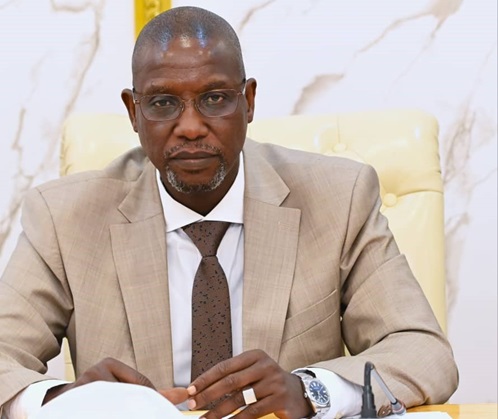
Interior Minister Abdoulie Sanyang has rejected claims that foreign nationals are primarily responsible for crime in The Gambia, arguing that official data shows Gambians account for the overwhelming majority of criminal offenses and prison inmates in the country.
Speaking during an interview on GRTS Radio, the minister addressed growing public concerns about crime and immigration, insisting that available statistics do not support the perception that foreigners are driving criminal activity.
According to Sanyang, prison records and law enforcement data indicate that Gambians constitute most offenders across various categories of crime.
“Ninety percent of our prisoners are Gambians. Even if you look at our drug-related cases every day, 97% involve Gambians. You will find only one, two, or three foreigners weekly because we have a database and weekly reporting,” he said.
The minister cautioned against attributing rising crime rates to the presence of foreign nationals, emphasizing that The Gambia’s long-standing culture of hospitality should not be misconstrued as a security threat.
“So what people are saying is that foreigners are many here, that’s why they do this. No, they are Gambians. And Gambia is a country because of our welcoming everybody who comes here,” he stated.
Addressing concerns about armed robbery, Sanyang said the majority of such crimes are committed by Gambians, noting that similar criminal activities occur in other countries across the region.
“Most of the time, even the armed robberies happening in this country are committed by Gambian boys. Sometimes, very young boys. So the idea that foreigners coming to the country is the reason why crime is high? No,” he said.
The minister also described many murder cases as domestic disputes that occur in private settings, making them difficult for law enforcement agencies to anticipate or prevent.
“Murder cases that are happening are domestic cases. You go with your boyfriend to a lodge; you have a problem with him there, so what can the police do about that? You are brewing attaya with your boys at your gate; they fight and stab each other. What can the police do about that?” he asked.
Responding to questions about police visibility and whether increased patrols could help reduce crime, Sanyang defended the efforts of the Gambia Police Force, saying officers are deployed around the clock across the country.
“Police are patrolling every day, 24/7. They have 80% of their personnel in the streets. Some don’t wear uniforms, traffic police officers, and others at the station; maybe you went to a place without seeing a police officer, but someone somewhere is seeing a police officer somewhere,” he said.
Drawing on his experience as a former Inspector General of Police, Sanyang urged the public to recognize the challenges security officers face in maintaining public safety.
“I was a police officer, and I was heading the police; that’s why when you say something to them, I know the difficulties they take to make this country safe,” he added.
The minister’s remarks come amid ongoing public debate over crime trends and immigration, as authorities continue to address security concerns while countering perceptions linking criminal activity to foreign nationals.
Comments are closed.