


By Makutu Manneh
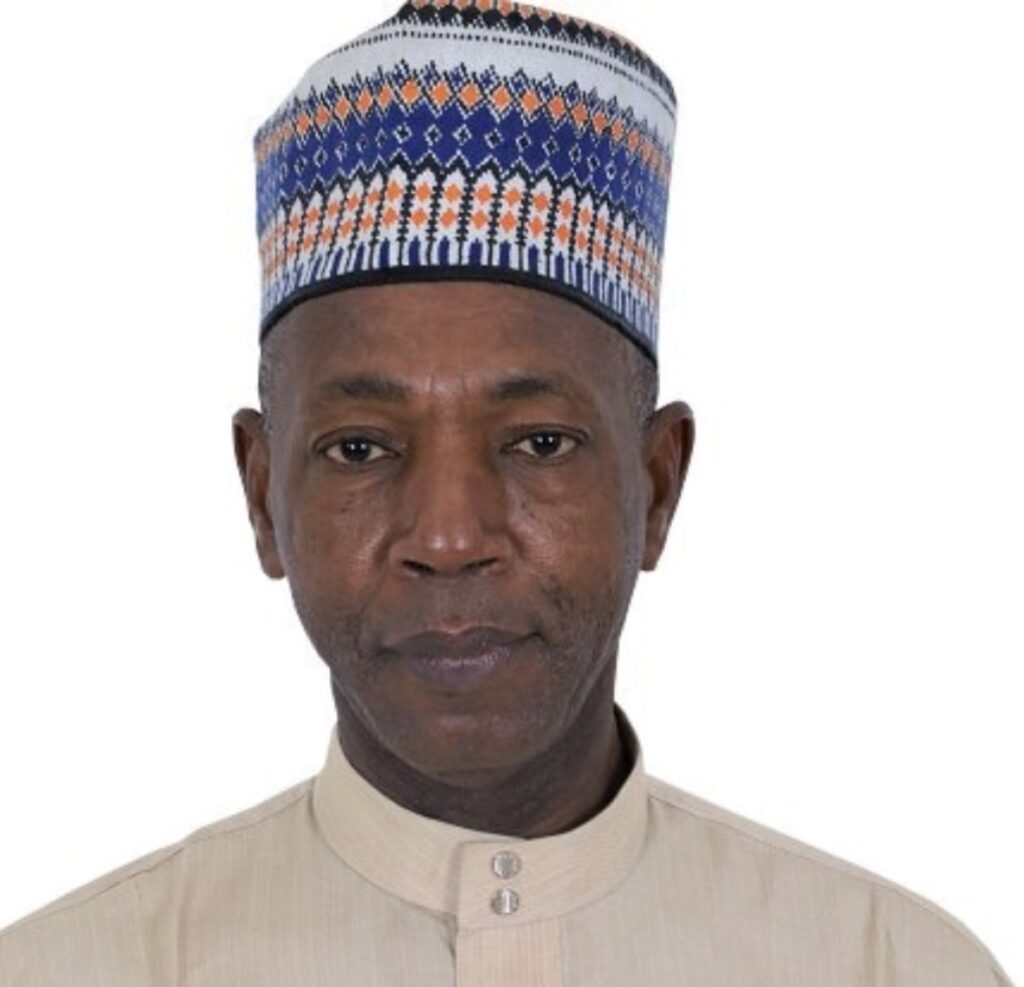
Hamat N.K. Bah, The Gambia’s Minister of Lands, Regional Government, and Religious Affairs, asserted on Thursday that The Gambia is the only country in West Africa offering community ambulance services—a claim made as the government continues a nationwide tour aimed at showcasing its development achievements.
“Even highways have ambulances. Only poor little Gambia has this,” Mr. Bah told residents gathered in Banjul for President Adama Barrow’s annual “Meet the People Tour.” He added that progress made in the health sector under Mr. Barrow’s administration “has never happened before.”
Mr. Bah, a longtime ally of the president and one of the administration’s most outspoken defenders, used much of his address to frame Mr. Barrow’s tenure as transformative, especially in infrastructure. He claimed that more roads have been constructed in the past eight years than in the previous five decades combined.
According to Mr. Bah, early skepticism from international financial institutions did not deter the president from moving ahead with major urban road projects, including in Banjul. “When President Barrow wanted to construct your roads, people doubted him—even the World Bank and IMF said it could not happen,” he said. “But the president insisted the project must be implemented with or without them.”
“This is unprecedented in our history,” he continued. “There is no capital as poor as Gambia that has a city like this today.”
As the country prepares for upcoming elections, Mr. Bah urged Banjul residents to “do something that has never happened,” though he did not elaborate on the remark.
The minister also credited the administration with improvements in water supply, electricity access, education, and agriculture—areas where Gambians have historically expressed frustration. He recalled a period in 2017 and 2018 when residents complained of severe water shortages, sometimes relying on supplies from neighboring Senegal. By contrast, he said, during this year’s tour, “90 percent of Gambians did not complain” about water access—an indicator he described as significant progress.
“Those talking on social media—if you listen to Gambians, you will know there is unprecedented development in The Gambia,” he said, calling the government’s record “scientific facts backed with data.”
Mr. Bah added that access to healthcare had expanded alongside electrification efforts, asserting that 80 percent of the country is now connected to the national grid. In education, he said the number of schools and classrooms built under Mr. Barrow’s leadership “has never happened in our country’s history.”
“Every two kilometers, you will find a school in a village,” he said. Enrollment and student performance, he claimed, have increased as a result.
He further pointed to the establishment of four universities and a range of agricultural programs as evidence of the administration’s development footprint.