


By Fatou Sillah
The National Assembly on Monday ratified the World Intellectual Property Organization Copyright Treaty, a move aimed at strengthening protections for authors and other creators as their works increasingly move into the digital sphere.
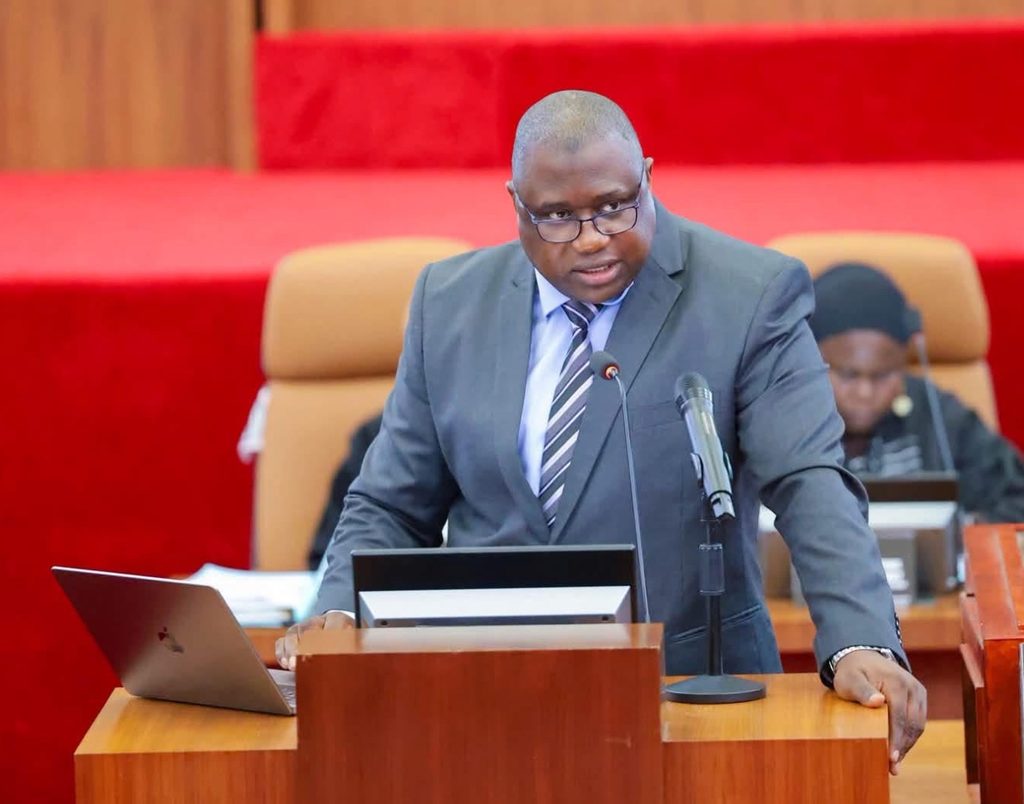
The treaty, commonly known as the WIPO Copyright Treaty, or WCT, was tabled by the Minister of Justice at the opening of the third and fourth ordinary sessions of the 2026 legislative year.
Adopted in 1996 as a special agreement under the Berne Convention, the treaty updates international copyright protections to address challenges posed by digital technology and the distribution of creative works online.
Under the agreement, contracting countries are required to comply with key provisions of the 1971 Paris Act of the Berne Convention, even if they are not otherwise bound by the convention.
The treaty specifically protects computer programs as literary works and extends protection to certain compilations of data, or databases, when the selection or arrangement of their contents constitutes an intellectual creation.
It also gives authors additional rights over the distribution, rental, and public communication of their works.
A central provision is the right to make works available online. That protection gives authors control over whether their work can be made accessible to members of the public at a place and time of their choosing—a provision designed to address the realities of internet-based distribution.
The treaty also requires countries to establish legal protections against attempts to circumvent technological safeguards used by copyright holders. It similarly protects electronic rights-management information from unauthorized removal or alteration.
Countries that join the treaty must provide effective enforcement procedures and legal remedies for copyright infringement, including measures intended to deter and prevent further violations.
At the same time, the treaty allows governments to establish limitations and exceptions to copyright protections under a three-step test. Those provisions give countries some flexibility to adapt copyright exceptions to the digital environment while safeguarding the legitimate interests of rights holders.
Copyright protection covered by the treaty must generally last at least 50 years, and authors cannot be required to complete formalities as a condition for enjoying or exercising the rights guaranteed under the agreement.
The WIPO Copyright Treaty was concluded in Geneva in 1996 and entered into force in 2002. It is administered by the World Intellectual Property Organization, the United Nations agency responsible for intellectual property matters.
Comments are closed.