

NaLOA President Says Livestock Sector Is Improving, but Calls for Greater Youth Participation

By Seedy Jobe
The livestock sector in The Gambia is beginning to benefit from increased government and development-partner support after years of limited investment, but greater participation by young people will be needed to meet the country’s growing demand for meat and livestock, according to the president of the National Livestock Owners Association, or NaLOA.
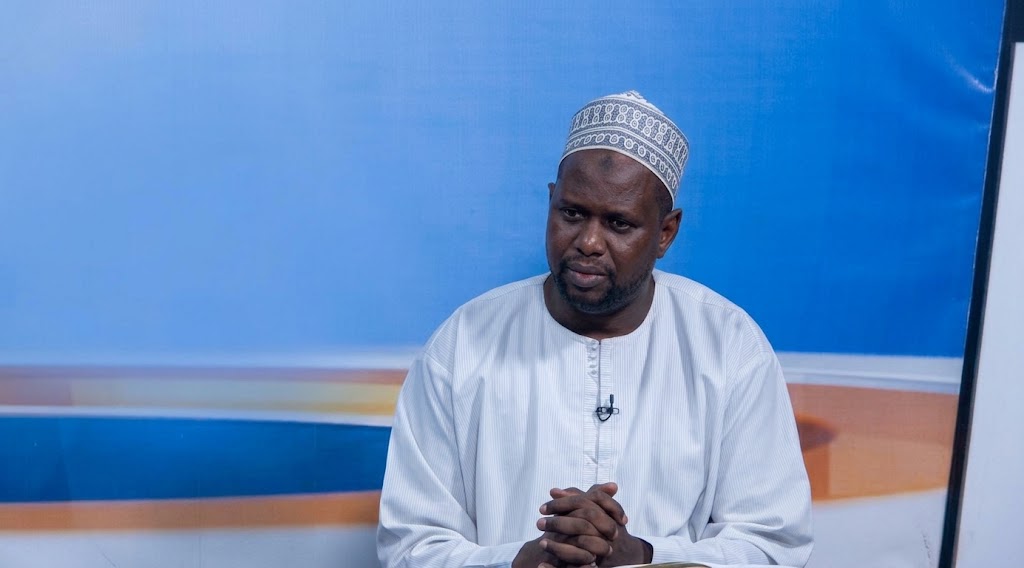
Speaking in an interview on QTV, Ebrima O. Jallow, the association’s president, welcomed recent investments in the sector, saying they had improved access to water, veterinary services, and disease surveillance for livestock farmers across the country.
Mr. Jallow said the Food and Agriculture Organization, the Small Ruminant Production Enhancement Project, and P2RS had collectively supported the construction of nearly 47 boreholes. The facilities, he said, have helped provide water for livestock during the dry season and reduced the need for herders to move their animals into neighboring Senegal in search of water.
He also pointed to the establishment of about 15 veterinary drug stores under the small-ruminant project. The stores, he said, are equipped to provide medicines and other essential supplies to livestock farmers.
The Department of Livestock Services has also increased the number of mobile extension workers operating in districts, Mr. Jallow said, improving the authorities’ ability to monitor animal diseases and respond more quickly to outbreaks.
Still, he said, significant challenges remain. A shortage of pasture during the dry season and recurring bushfires continue to threaten livestock production. Cattle rustling also remains a concern, he said, describing what he said was a pattern in which stolen animals are transported through Brikama toward Casamance before being brought back into the country.
Mr. Jallow urged young Gambians and members of the business community to consider livestock farming as an investment, arguing that the industry can provide a relatively dependable source of income even when crop production suffers.
“Most of our youths will prefer to go into farming, but you rarely see youths going in for livestock production,” he said. “And this is a very good thing, because livestock production is the fastest way of getting returns.”
The Gambia, Mr. Jallow said, does not produce enough livestock to meet domestic demand, particularly during Tobaski, when demand for rams rises sharply, as well as for everyday meat consumption. He called for increased local production to reduce the country’s reliance on livestock imported from Mali and Mauritania.
For years, Mr. Jallow said, livestock farmers felt the sector was receiving too little attention compared with other areas of agriculture. He said that perception had begun to change as new projects and government initiatives reached farmers.
“Before we were angry,” he said. “We saw that the livestock sector was not actually considered as it’s supposed to be considered. But now, for the past 10 years to now, I think we have seen a lot of things.”
“Now there is a smile that is coming to our face,” he added.
Comments are closed.