


By Fatou Sillah
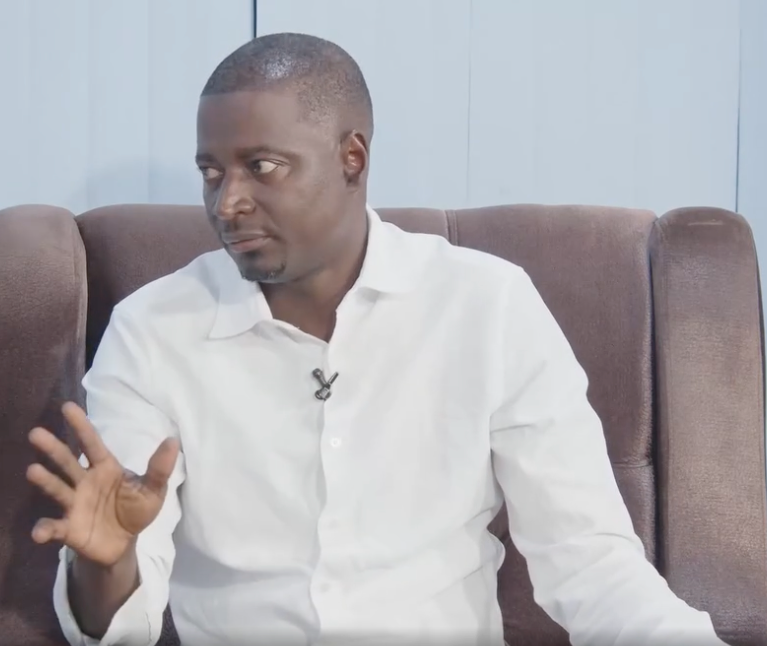
Seedy Njie, the deputy spokesman of the governing National People’s Party and deputy speaker of the National Assembly, has predicted that the United Democratic Party will receive fewer votes in the 2026 presidential election than in any previous election since the party was founded.
Speaking in an interview with Star TV, Mr. Njie argued that the UDP’s traditional political base had fractured following the departure of prominent members who have since established or joined other political parties.
“UDP is divided; that is why in the 2026 presidential elections, UDP will have fewer votes in 2026 than since its formation,” he said.
Mr. Njie pointed specifically to UNITE and the National Unity Party, saying both draw significant support from people formerly associated with the UDP. The two parties have since entered into a political alliance.
“UNITE is from UDP, NUP is also from UDP, so all those two parties came together to form an alliance. UDP has been divided into three,” he said.
As an example, Mr. Njie cited his home village of Chamen Nianija, where he said previously established UDP structures had been divided between the party and UNITE.
“Like, for example, in my village, Chamen Nianija, they have one committee, which is the district committee and village; those committees have split into two; some went to UNITE and others are still in UDP,” he said. “Even the UDP regional chairman has joined Talib.”
Mr. Njie said similar defections had affected UDP structures elsewhere in the country, with some party members and local officials shifting their support to UNITE, led by Kanifing Municipal Council Mayor Talib Ahmed Bensouda.
His prediction comes as political parties and alliances intensify preparations for the 2026 presidential election. Whether the defections cited by Mr. Njie will translate into a significant decline in the UDP’s electoral support remains to be seen.
Mr. Njie also criticized recent opposition coalition negotiations, arguing that political movements and organizations without established party structures were given disproportionate influence in efforts to select a coalition flagbearer.
He suggested that some participants sought to use groups formed by former UDP supporters to influence the selection process and prevent UDP leader Ousainou Darboe from emerging as the coalition candidate.
“The people that establish their parties, they have structures, and they are spending money on their parties,” Mr. Njie said. “They say all those people will have equal votes with movements, clubs, organizations, and associations to have different votes so that they can vote and remove Ousainou Darboe.”
Mr. Njie said disagreements over representation and voting rights ultimately contributed to some political parties withdrawing from the coalition discussions.
“That is why most parties left the coalition, because the objective of forming the coalition was not achieved,” he said.
His comments reflect the increasingly sharp political maneuvering ahead of the 2026 election, as established parties and newer political alliances compete for voters across traditional party lines.
Comments are closed.