

High Court Adds Ousman Madikay Faal to PPP Leadership Dispute, Delaying Injunction Ruling

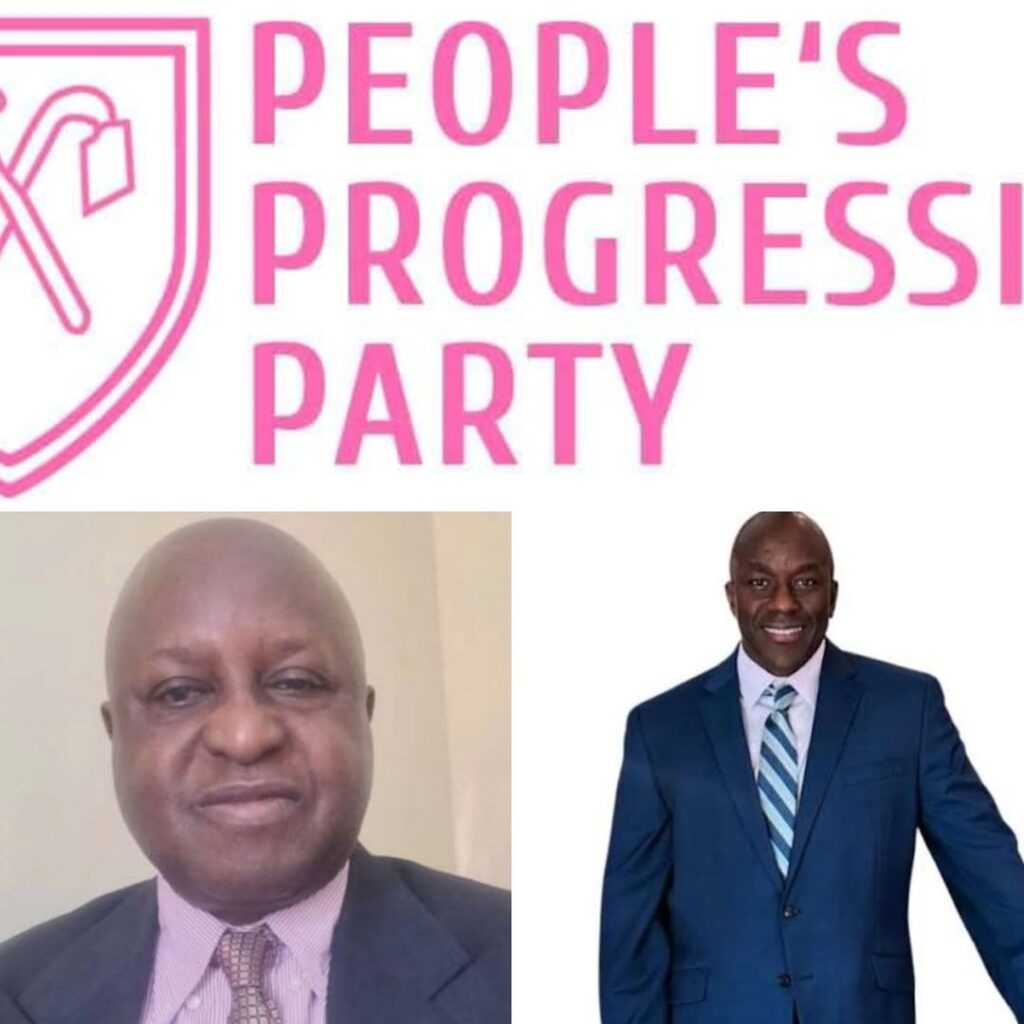
A leadership dispute within the People’s Progressive Party deepened this week after the High Court allowed the man recognized by electoral authorities as the party’s leader, Ousman Madikay Faal, to formally join a lawsuit challenging that recognition.
In a ruling, Justice Sonia Akinbiyi granted Mr. Faal’s application to be added to the case as an interested party, transforming the proceedings into a three-sided legal contest among a rival faction of the party, the Independent Electoral Commission, and Mr. Faal himself. The decision further delayed consideration of an injunction that seeks to freeze the party’s current leadership structure.
The suit was brought by a faction aligned with Kebba E. Jallow, the party’s former leader, who is contesting Mr. Faal’s recognition as secretary general and party leader following a divisive elective congress held on Dec. 21, 2024.
At the outset of the hearing, Segga Gaye, counsel for Mr. Faal, moved to have his client joined to the matter. Although the plaintiffs had not yet been served with the motion, Adama Sillah, representing the Jallow-led faction, raised no objection. “All parties that are interested can join,” Mr. Sillah told the court.
Justice Akinbiyi ordered that Mr. Faal be joined, setting the stage for what could become a protracted battle over the leadership of one of the country’s oldest political parties.
A Disputed Congress
The roots of the conflict trace to the December congress, where party delegates gathered to elect new leadership and consider constitutional amendments.
According to court filings submitted by the Jallow faction, the Congress adopted a revised constitution requiring all candidates to sign a “Declaration/Consent Form” pledging not to challenge the election results in court. The plaintiffs contend that Mr. Faal and several other candidates “wilfully refused” to sign the form and were subsequently disqualified by the party’s internal Electoral Commission in January 2025.
An affidavit sworn by Mariama Bah, a legal assistant at Mari Bantang Chambers, states that on Jan. 28, 2025, the party’s internal commission affirmed only those candidates who complied with the alleged requirement as legitimate officeholders.
The plaintiffs argue that any swearing-in or continued recognition of Mr. Faal would breach the party’s constitution and undermine its internal dispute resolution mechanisms. They have asked the High Court to maintain the status quo pending the determination of the main suit.
The faction also accuses the national electoral body of inconsistency, alleging that while mediation efforts were underway — including discussions facilitated by the Inter-Party Committee and the veteran politician Halifa Sallah — the commission “abruptly announced” its recognition of Mr. Faal.
In his own filings, Mr. Faal rejects the plaintiffs’ claims and describes the lawsuit as “unauthorised.” He maintains that he was duly elected at a transparent congress in Banjul and that the vote counts were confirmed by candidates without dispute at the time.
Mr. Faal further asserts that Mr. Jallow publicly accepted defeat in media interviews before later challenging the outcome.
Central to Mr. Faal’s defense is a constitutional argument: he contends that the disqualification effort relies on Article 14.3(C), a provision he says “does not exist” in the party’s current constitution. His lawyer, Mr. Gaye, told the court that the proposed amendment requiring candidates to sign a consent form failed to secure the necessary two-thirds majority of delegates, receiving 49 votes out of 106.
Mr. Faal also points to recognition by both the party’s Board of Trustees and the electoral commission. In correspondence dated March 27, 2025, the commission confirmed his election as party leader, according to his affidavit.
He argues that his inclusion in the case is essential to prevent the court from being misled and to safeguard what he calls the democratic will of party delegates.
Following the joinder, K. Sanyang, counsel for the electoral commission, told the court that the plaintiffs would need to amend their filings and serve all motions on Mr. Faal as the newly added party.
Justice Akinbiyi directed Mr. Sillah to file the necessary briefs within 14 days. The matter was adjourned to April 27, 2026, at 12:30 p.m., when the court is expected to confirm service on Mr. Faal and proceed with arguments on the pending injunction.
Until then, the leadership question within the People’s Progressive Party remains unresolved, with both sides claiming constitutional legitimacy and the courts now positioned as the final arbiter.
Comments are closed.