


By Makutu Manneh
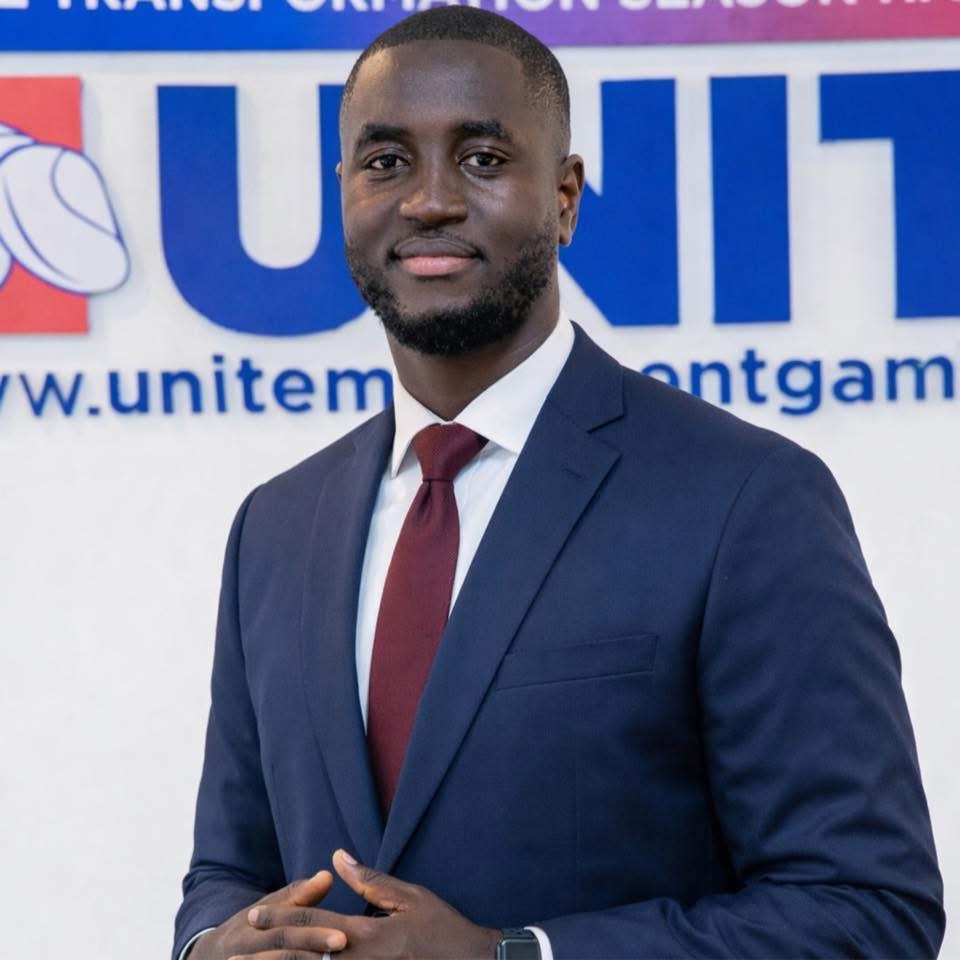
Kemo Bojang, spokesperson for the Unite Movement for Change (UMC), has said the movement is not desperate to capture the presidency, emphasizing that its leadership and membership are still relatively young and have time on their side.
Bojang made the remarks during an interview on Kerr Fatou, following the announcement by the Independent Electoral Commission (IEC) that it had rejected UMC’s application for registration as a political party. The IEC cited the movement’s failure to meet the mandatory requirements stipulated under the Elections Act.
“We have time. I am still a baby in Gambian politics; Talib is less than 40, Ebrima Dibba is in his 50s, Yahya is in his early 40s, and the same goes for MC Cham,” Bojang said, stressing that the movement is not in a hurry to attain political power.
He further clarified that their departure from the United Democratic Party (UDP) was not driven by presidential ambition. “We did not leave UDP for the presidency. We are not desperate for the presidency,” he stated.
According to Bojang, if the group’s objective had been to secure high office at all costs, they could have aligned themselves with the ruling National People’s Party (NPP). He claimed that Talib Ahmed Bensouda had previously been offered the positions of vice president and minister of trade by President Adama Barrow but declined both offers. Bojang said he was present at meetings where the proposals were made.
“If he turned all these down, then it means he was not desperate. For us, politics is passion. We left UDP because of disagreements,” he explained.
Bojang also stated that UMC is open to collaborating with like-minded Gambians, emphasizing that the movement does not view other political actors as enemies. Instead, he said, their true opposition lies in corruption, hunger, and poverty—challenges they are committed to addressing to improve the livelihoods of citizens.
He added that his generation considers itself fortunate to have leaders such as Bensouda and expressed the view that past political decisions—specifically the failure to elect figures like Ousainu Darboe and Halifa Sallah—would not be repeated by the current generation.
Comments are closed.