

Former Secretary General & Head of Civil Service Deny Cabinet Interference In Tractor Sale

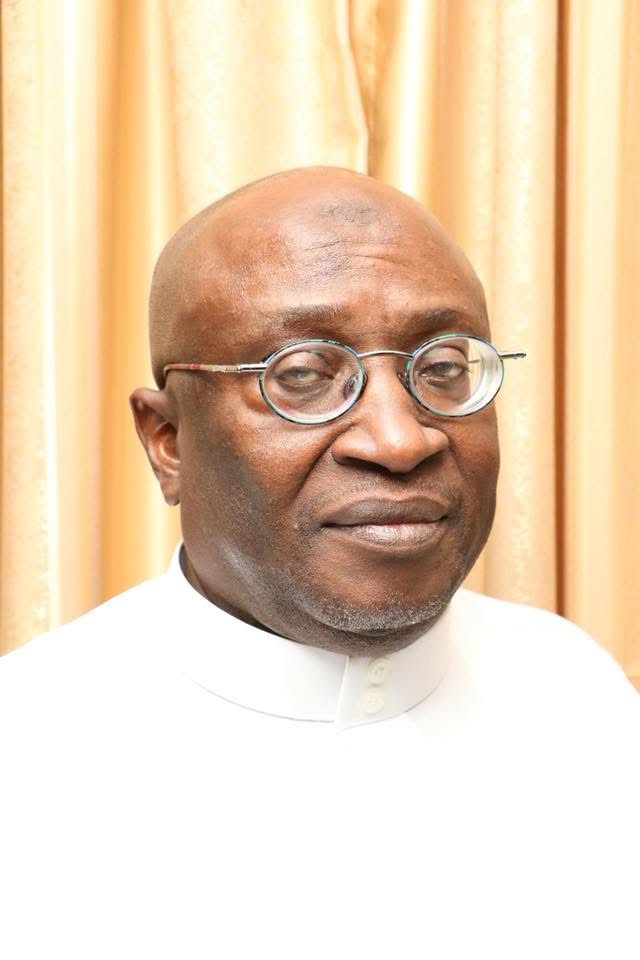
By Fatou Sillah
Former Secretary General and Head of the Civil Service, Habib Drammeh, has denied allegations of cabinet interference in the sale of tractors belonging to former President Yahya Jammeh, during his testimony before the National Assembly Special Select Committee investigating the disposal of the former president’s assets.
Appearing before the committee, Mr. Drammeh maintained that the cabinet was not directly involved in decisions related to the Janneh Commission’s work and that he only acted upon an urgent directive from the president to halt the sale of tractors. According to him, the intention was to redirect the tractors for use by Gambian farmers and to support the country’s microeconomic activities.
He clarified that the matter of the tractor sales was never discussed at the cabinet level, explaining that it only arose when the Ministries of Agriculture and Higher Education sought to utilize the tractors. “The issues of the tractors could have been mentioned, but not discussed in detail. I think at one point also the issues of the livestock—I think the cabinet was briefed on that,” the witness stated.
Mr. Drammeh recounted that he first learned of the presidential directive from one of his junior staff, Ebrima Ceesay, who informed him of an urgent request from the president’s office to stop the ongoing tractor sale.
“Because it was urgent at the time, I told him, please, proceed with the interaction between the president’s office and the commission. I think he did contact the secretary who was in the process of selling the tractors. I know there was back and forth on the telephone later on,” he told me, “but eventually I told him to go there physically since it’s urgent,” he testified.
He added that following their intervention, then-Minister of Justice Abubacarr “Ba” Tambadou contacted him, noting that their actions were procedurally out of order. “I agreed with him,” Mr. Drammeh said, “and I told him that if a similar situation arises, we would handle it differently.”
Mr. Drammeh defended the government’s decision, stating that it was made in the best interest of Gambian farmers. However, Lead Counsel Dibba challenged his assertion, arguing that while the cabinet’s intentions may have been noble, its actions violated the law and encroached upon the independence of the commission.
When asked whether the cabinet was aware that it was interfering with the commission’s work, Mr. Drammeh firmly denied it. “I am saying the cabinet did not interfere; that is my position,” he said.
Pressed further on who gave the directive, “Who then interferes with the sales?” Counsel asked
the witness replied, “I am saying the president of the country who made the message to me was the one who is directing us. Look, let’s put a stop to this. What was the intention? If we put a stop to the sales of the tractors, we can now give it back to the farming community,” the witness said.
Mr. Drammeh emphasized that the president had executive authority to make such decisions and that the overriding consideration was the greater good of Gambian farmers and the national economy.
Counsel Dibba, however, cautioned against that justification, stating, “Would you agree with me that it is very dangerous to tread along that line you are treading about the greater good because what is perceived to be the greater good can differ from individual to individual? Essentially, Mr Drammeh, in failing to do your duty, in advising the president at the material time, you are breeding a dictator in the president.”
Mr. Drammeh responded, “I think now you are stretching it too far, honestly, you are.”