

Madi Jobarteh Urges Gambians to Demand Accountability Over Sale of Jammeh’s Assets

By Seedy Jobe
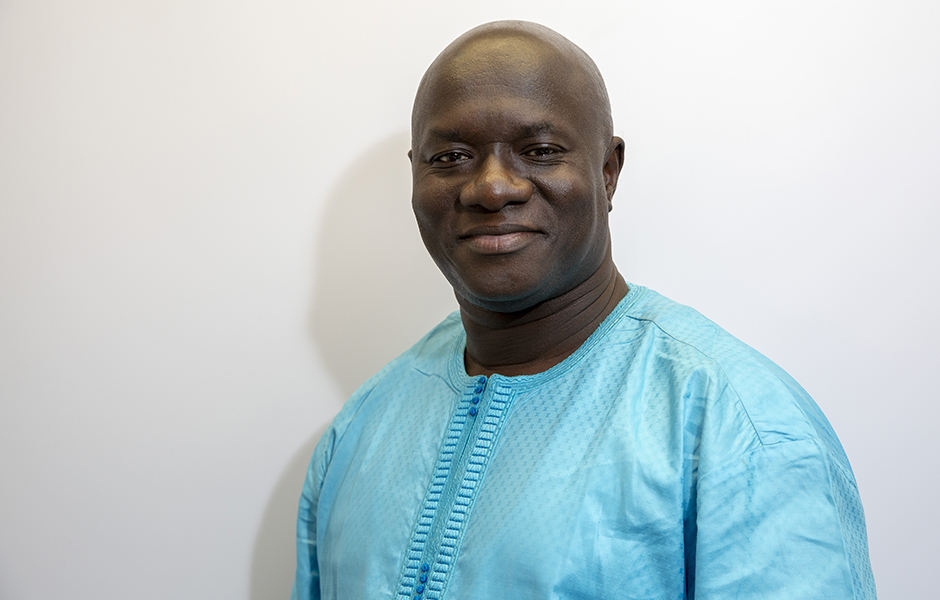
Madi Jobarteh, executive director of the Edward Francis Small Centre for Rights and Justice, has urged Gambians, particularly young people, to speak out and demand accountability over the management and disposal of assets seized from former President Yahya Jammeh.
Speaking at a news conference organized by GALA at the National Youth Parliament Complex in Kanifing, Mr. Jobarteh said the controversy surrounding the assets was a matter of national concern that required public scrutiny and collective action.
The news conference was held to outline GALA’s position on the findings of the National Assembly’s Special Select Committee, which investigated the disposal of Mr. Jammeh’s assets.
Mr. Jobarteh urged citizens not to wait for GALA’s planned actions before making their voices heard.
The movement has announced plans to write to the National Assembly on Oct. 15 to follow up on the committee’s report and demand a response from President Adama Barrow by Oct. 30.
Mr. Jobarteh argued that the responsibility to safeguard public resources extends beyond political leaders and civil society organizations, emphasizing that every Gambian has a stake in ensuring transparency and accountability.
“Mr. Barrow doesn’t own this country alone. The speaker of the house doesn’t own this country alone. The IGP doesn’t own this country,” Mr. Jobarteh said.
He stressed that the president, the Speaker of the National Assembly, the Inspector General of Police and ordinary citizens all share a responsibility to protect the country’s interests.
Mr. Jobarteh said there was no justification for the misuse of public resources, warning that public silence in the face of alleged wrongdoing could encourage impunity and undermine good governance.
He called on Gambians to discuss the findings in their communities, question public officials and exercise their right to peaceful protest where necessary.
The human rights advocate maintained that accountability should not depend solely on the actions of GALA or other advocacy groups, but should be a collective responsibility embraced by citizens across the country.
He warned that failing to challenge alleged abuses of public resources would only perpetuate a culture of impunity and weaken democratic accountability.
Comments are closed.