


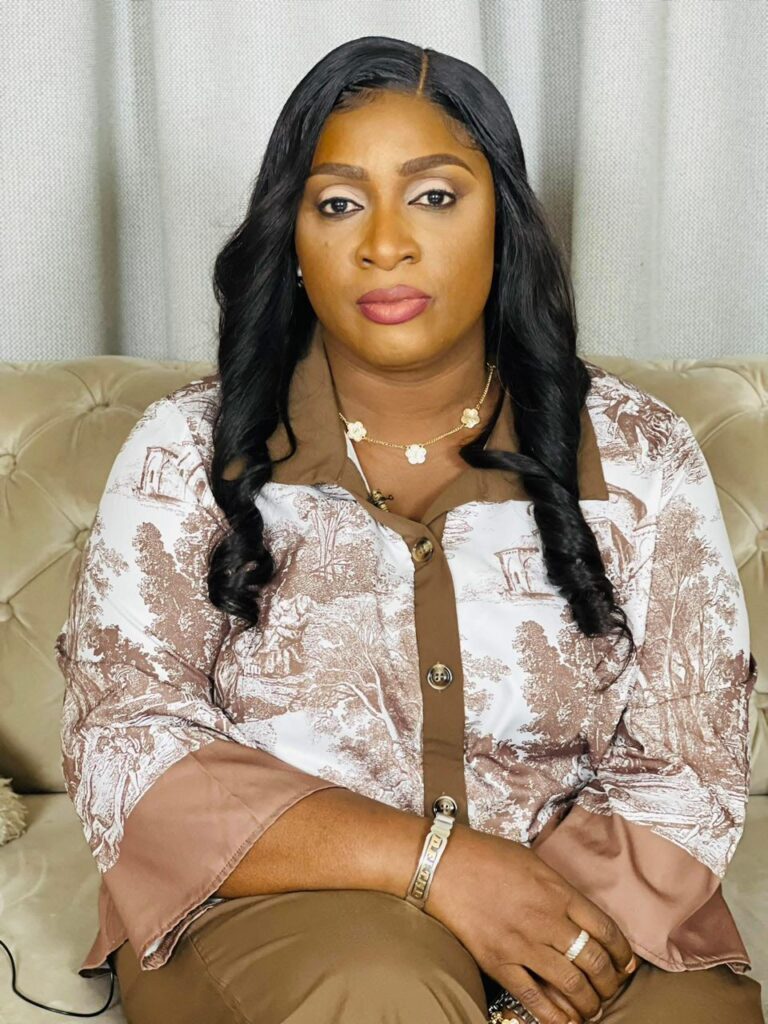
By Fatou Touray
Accreditation of journalists to report on official functions and from secured government sites is a standard practice worldwide. No reasonable person expects an unvetted individual to simply walk into the State House of The Gambia, the official residence of the head of state, and begin reporting without due registration and authorization. Such measures are understandable, necessary, and, when applied fairly, help balance security with the public’s right to information.
However, the recently drafted National Press Accreditation Policy for The Gambia and the accompanying Broadcasting and Online Content Regulations, 2025, raise serious concerns. Rather than providing a framework to ensure responsible journalism, these proposals risk imposing onerous restrictions that could stifle press freedom and undermine journalists’ ability to operate independently. By placing the power to decide who qualifies as a journalist in the hands of the executive, the policy effectively converts accreditation and registration into a tool for executive control over the media.
To acquiesce to such a framework is to voluntarily cede a fundamental democratic right. Press freedom and freedom of expression are enshrined in the Constitution of the Republic of the Gambia, yet these measures, if implemented, could allow the executive to act as gatekeeper, deciding who may inform the public and what narratives are permissible. The policy may be couched in bureaucratic language, but its implications are clear: restricting access under the guise of regulation is executive overreach, plain and simple. As the saying goes, lipstick on a pig is still a pig.
I stand in solidarity with the Gambia Press Union and its former leaders who have raised the alarm about this issue. Their advocacy underscores the urgent need for collective action to safeguard journalists’ rights. If we allow the government to dictate who is recognized as a journalist, we surrender the public’s right to diverse, independent, and critical information. History has repeatedly shown that when state authorities gain the power to control information, democracy suffers, and society risks descending into censorship disguised as order.
The road to authoritarianism is often paved with good intentions, and this draft policy is a cautionary example. Accreditation, when used responsibly, should facilitate access to information, not restrict it. Gambia’s journalists, and indeed all citizens, must remain vigilant. Advocacy, public awareness, and principled pushback are essential to ensure that the country’s media continues to serve the people freely and independently, without undue interference from the executive.
Press freedom is not a privilege granted by the state; it is a right that sustains democracy. Any policy that threatens it should be met with scrutiny, resistance, and reasoned critique. The Gambia now faces a defining moment: to uphold constitutional freedoms or allow bureaucratic overreach to dictate the limits of public knowledge.
Comments are closed.