


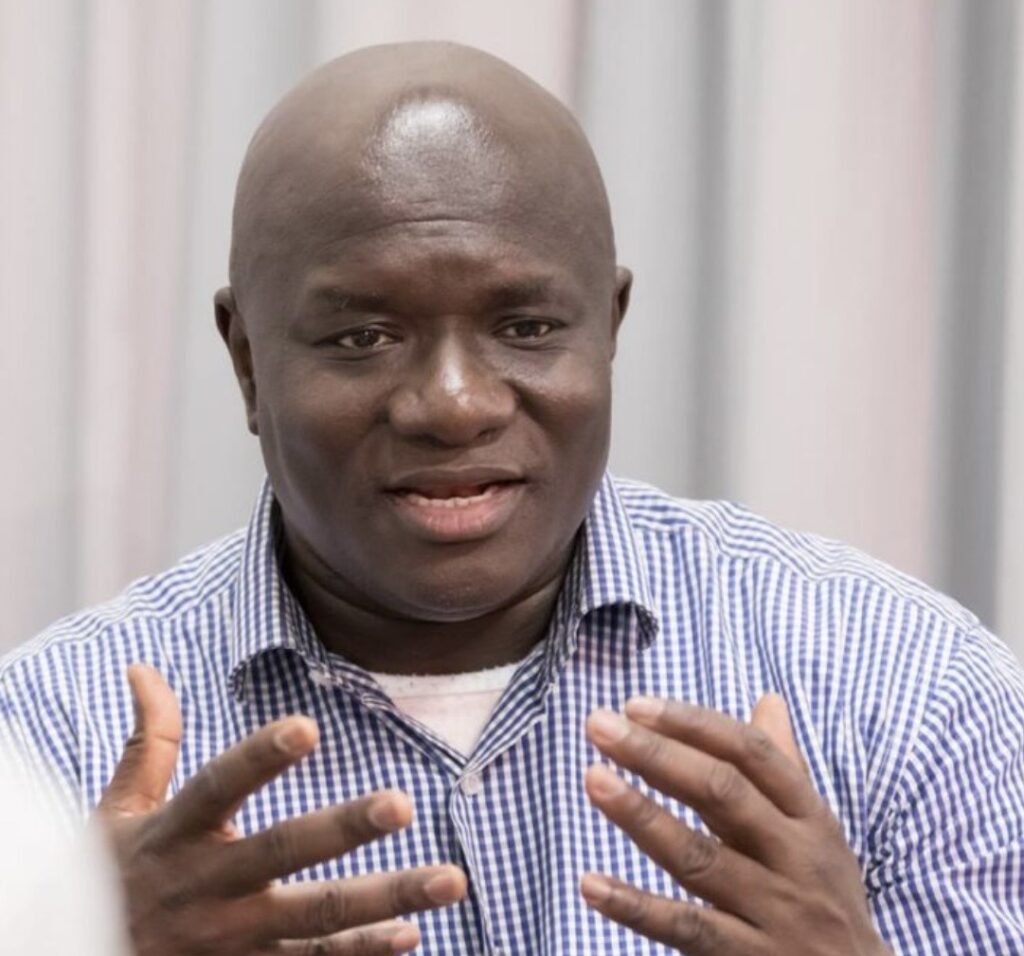
By Makutu Manneh
Madi Jobarteh, a prominent human rights advocate, says the absence of accountability in public office has been the central obstacle to governance and development in The Gambia since independence.
In a recent interview with Kerr Fatou, Mr. Jobarteh, the founder of the Edward Francis Small Centre for Rights and Justice, argued that the country possesses the essential elements required for progress—educated citizens, functioning institutions, legal frameworks, and natural resources—but lacks consistent accountability in the management of public affairs.
“The missing link in our governance and development process is accountability,” Mr. Jobarteh said.
He contended that if public officials carried out their responsibilities in accordance with the law, professional ethics, and established standards, the country’s development trajectory could have been markedly different.
Mr. Jobarteh drew a comparison with Singapore, which he cited as an example of how strong accountability mechanisms can influence national development.
“It is not like they have more people, laws, resources, or more God-favored,” he said. “The only difference between us and Singapore, despite our different locations, is just accountability,” he stated.
According to Mr. Jobarteh, the lack of consequences for failures, negligence, and inefficiency in public service has weakened governance across successive administrations.
He said the accountability deficit has persisted from the era of the country’s first president, Dawda Jawara, through the rule of former leader Yahya Jammeh and into the current administration of Adama Barrow.
Without meaningful accountability, he argued, public institutions are unlikely to deliver the level of governance and development that Gambians expect.
Comments are closed.