


By Makutu Manneh
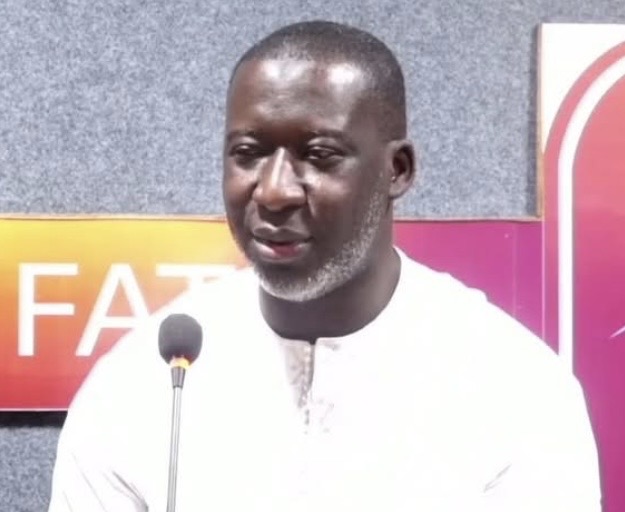
Ebrima Dibba, a senior figure in the Unite Movement for Change (UMC), said in a recent interview that the party expects its full national presence to be visible by May 16, as it continues to build its structures across the country.
Speaking on The Brunch with Kerr Fatou, Mr. Dibba addressed questions about the movement’s political strength following its break from the United Democratic Party (UDP).
He acknowledged that the party’s influence may not yet be fully apparent, describing the current phase as one of organization and consolidation. “By May 16, our full force will be seen,” he said.
Mr. Dibba pointed to the party’s organizational footprint as evidence of its growth, noting that it has already established 16 bureaus nationwide. He added that structures at the constituency, ward, and regional levels are in place, comparing this progress favorably with that of longer-established parties.
He said the party has provided regional chairmen and ward committees with logistical support to strengthen their operations, with additional resources expected to be extended to constituency-level structures.
Addressing questions about funding, Mr. Dibba said that supporters who had previously backed him and his colleagues during their time in the UDP have continued their support since their departure. He said that contributions once directed to the UDP are now being channeled to the UMC.
Mr. Dibba also rejected allegations that he and his associates had previously suggested that the UDP leader, Ousainu Darboe, was unelectable. He said he had supported Mr. Darboe for three decades and would not have remained in the party if he did not believe in his electoral viability.
He described his decision to leave the UDP as “the most difficult” of his life, attributing it to timing and a reassessment of political prospects. He expressed confidence in Talib Ahmed Bensouda, the mayor of Kanifing, saying he is widely supported and capable of leading the party to electoral success.
Mr. Dibba said the UMC aims to introduce a new leadership approach, one that would empower elders while preparing younger generations for future leadership roles if the party were to win the presidency.
Comments are closed.