


By Seedy Jobe
The Ministry of Basic and Secondary Education (MoBSE) announced on Thursday, March 26, 2026, that Cabinet has formally approved the Language in Education Policy (LEP) 2025–2030—a landmark framework designed to make the country’s education system more inclusive, equitable, and responsive to the diverse needs of Gambian learners.
The announcement was made through MoBSE’s official communication channels, with the ministry underscoring the central role of language in effective education. “The LEP recognizes that language is the foundation of learning and social integration,” the ministry stated.
A defining feature of the new policy is its prioritization of first-language instruction in the early grades. By ensuring that children begin their educational journey in the language they understand best, the ministry aims to strengthen foundational literacy and numeracy, while reducing dropout rates and building a lasting basis for lifelong learning.
The LEP grants official recognition to seven national languages as mediums of classroom instruction: Jola, Soninke, Mandinka, Manjaku, Pulaar, Wolof, and Sereer. This represents a significant step toward embedding Gambia’s linguistic heritage directly into the formal education system, aligning classroom practice with the lived realities of learners across the country.
The policy also formally recognizes Gambian Sign Language, extending instructional accessibility to deaf and hard-of-hearing learners. MoBSE described this inclusion as a reflection of its broader commitment to ensuring no child is left behind—a position supported by longstanding global research affirming that children learn most effectively when taught in a language they understand.
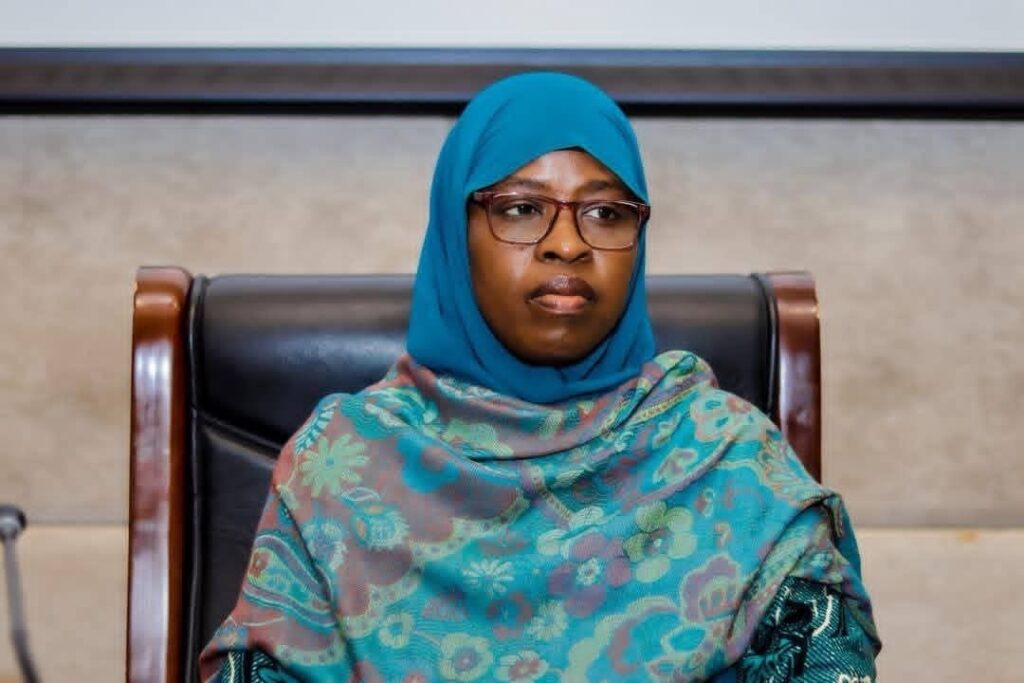
Minister for Basic and Secondary Education, Hon. Dr. Habibatou Drammeh, expressed gratitude to President Adama Barrow and the Executive, as well as to development partners, MoBSE officials, teachers, linguists, policymakers, parents, and community members whose collective expertise shaped the policy framework.
“This approval is more than a reflection of ongoing strategic education reforms,” the ministry stated. “It is a historic commitment to inclusivity, equity, and cultural preservation.”
Comments are closed.