

Saho Accuses Barrow of ‘Self-Perpetuation,’ Warns of Security Risks Over Third-Term Bid

By Seedy Jobe
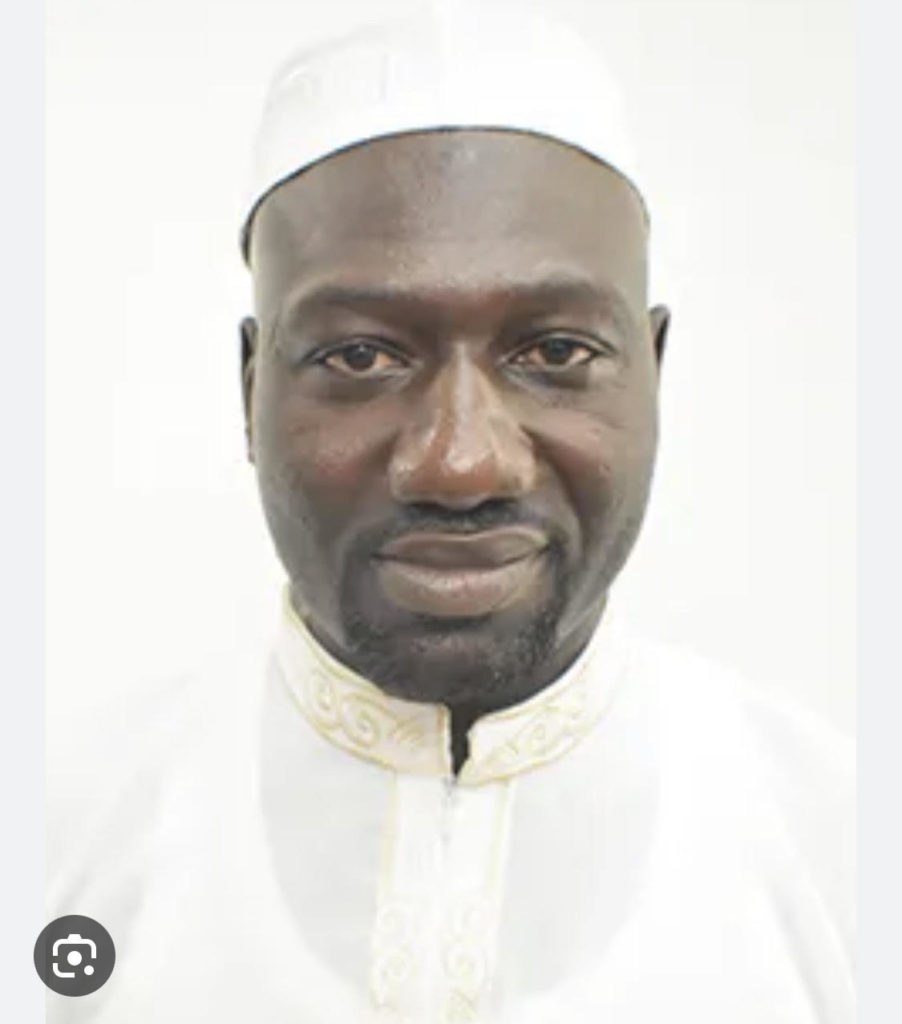
The National Assembly member for Central Badibou, Sulayman Saho, has accused President Adama Barrow of seeking to perpetuate himself in power by pursuing a third term, warning that an extended presidency could carry political and security risks for the Gambia.
Mr. Saho, who also serves as the national organizing secretary of the United Democratic Party, made the remarks during an appearance on Eye Africa TV’s “Verify” program, where he also challenged assertions that Mr. Barrow’s strong support in the Upper River Region amounted to a broader endorsement of another term.
Mr. Barrow, who was first elected in 2016 and re-elected in 2021, is expected to seek another term in the 2026 presidential election. The Gambia does not currently have a constitutional two-term limit for presidents, though efforts to introduce one have featured prominently in the country’s post-2016 constitutional reform debate.
Mr. Saho argued that limiting presidents to two terms was important to democratic stability and peaceful transfers of power. He said Mr. Barrow’s effort to remain in office beyond 10 years raised questions about the precedent it could establish and the potential consequences after the election.
“If Barrow now is forcing himself, this is self-perpetuation now, going beyond 10 years,” Mr. Saho said. “What will that lead to? Even after the election, what are we going to face? Security-wise, is the country safe? You know what is happening in the Sahel.”
Mr. Saho did not provide evidence that a third Barrow term would lead to instability. But he argued that The Gambia should consider the broader security environment in West Africa, where several countries in the Sahel have experienced coups, insurgencies, and political upheaval in recent years.
During the interview, Mr. Saho was also asked about survey findings indicating substantial support for Mr. Barrow in rural areas, particularly in Basse, where the interviewer said 77 percent of respondents supported another term.
Mr. Saho attributed that support partly to regional loyalties rather than viewing it as evidence of nationwide enthusiasm for another Barrow presidency. He compared the dynamic with the regional political bases of former presidents Dawda Jawara and Yahya Jammeh, whose strongest support was historically associated with Niani and Foni, respectively.
He said some voters in the Upper River Region may see Mr. Barrow, who comes from the region, as “their president,” but argued that regional considerations should not take precedence over the national interest.
Mr. Saho also disputed the notion that development projects in the region, including roads and bridges in Basse, should be credited solely to the president.
He said some of the projects were conceived while senior UDP figures, including Ousainu Darboe and Amadou Sanneh, served in Mr. Barrow’s government and noted that public infrastructure is financed and authorized through state institutions.
Mr. Saho said that while serving as chairman of a National Assembly committee responsible for monitoring government infrastructure projects, he traveled regularly to Basse to inspect construction work, including projects undertaken by Chinese contractors.
“So why should Barrow beat his chest and say he’s the one who did that job?” Mr. Saho said. “The Basse people should understand that that’s their sovereign right. The republic doesn’t belong to an individual.”
He also sought to challenge the government’s economic record in the region, arguing that many members of Basse’s Sarahule business community continue to face financial difficulties despite development projects.
Mr. Saho claimed that although some individuals had benefited economically under the Barrow administration, many traders were struggling. He cited disputes involving rents and the implementation of the Rent Act as examples of what he described as a gap between existing laws and their enforcement.
He further accused Mr. Barrow of engaging in “ethnic politics” in the Upper River Region and characterized the president’s political rapprochement with Mama Kandeh, leader of the Gambia Democratic Congress, as part of an effort to consolidate support ahead of the election.
Mr. Saho predicted that voters in Basse would ultimately judge the government on broader national conditions rather than regional affiliation, arguing that political power and state development should not be treated as the property or achievement of any individual leader.
Comments are closed.