


By Makutu Manneh
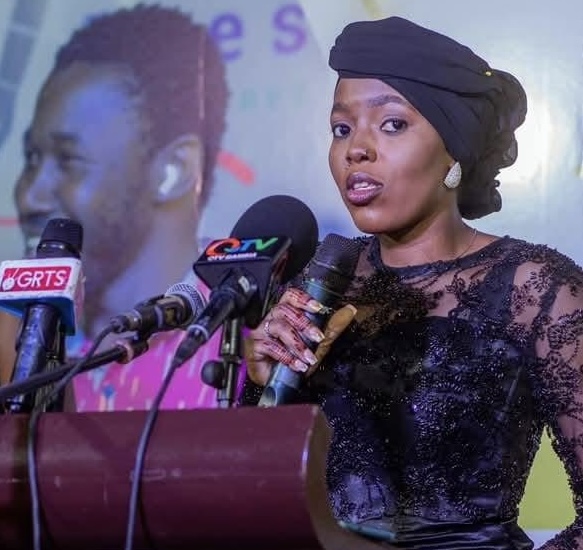
Isatou Keita, president of the Gambia Press Union, has urged journalists and online content creators to put accuracy and professional ethics ahead of clicks and viral attention, warning that the race for engagement can undermine the media’s responsibility to the public.
In a statement posted on Facebook, Ms. Keita said journalism was about more than being first with a story, securing interviews, broadcasting live, or attracting large audiences. At its core, she said, the profession requires verification, fairness, context, and an awareness of the consequences reporting can have.
“If someone makes a serious allegation against another person or institution, particularly an allegation involving death, abuse, corruption, or criminal conduct, it cannot simply be presented to the public as established fact because someone said it on camera,” she stated.
Such claims, she said, should be independently verified. Journalists should seek responses from those accused, consult relevant authorities, and examine available evidence. When information cannot be confirmed, she added, audiences should be told so clearly.
Ms. Keita expressed concern about what she described as a growing tendency to measure influence by views and to equate bold journalism with asking the most sensational questions.
When the pursuit of engagement takes precedence over the search for truth, she said, the media risks abandoning the public interest in favor of algorithms.
She also urged audiences to consider their own role in the spread of misinformation, noting that sensational and unverified claims often gain traction because people reward them with likes, shares, and views, only to complain about the consequences afterward.
Ms. Keita said those responsibilities become especially important when reporting on issues involving The Gambia and Senegal, two neighboring countries bound by family ties, history, culture, communities, and trade.
“When people begin making threats, calling for revenge, or speaking about conflict between two countries, every responsible media practitioner should stop and ask: What role did my reporting play in creating this environment?” she said.
She pointed to examples of media contributing to violence and instability, including broadcasts during the 1994 genocide in Rwanda. She also cited the circulation of unverified footage and rumors that she said heightened tensions along the borders of Guinea, Sierra Leone, and Liberia earlier this year.
Press freedom, Ms. Keita said, protects the right of journalists to report, question, and criticize. But that freedom, she added, does not remove the obligation to verify information, provide context, minimize harm, and correct errors.
A large social media following does not make someone a journalist, she said, just as virality does not make information accurate and being first does not necessarily mean being right.
She called for journalism that is fearless in scrutinizing those in power but disciplined enough not to reach conclusions without evidence.
Ethical standards, Ms. Keita added, should apply regardless of who is being covered — whether an ally, an opponent, a public official or an ordinary citizen. Accountability, she said, should extend beyond journalists to media owners, influencers, public officials and audiences.
She urged the public to allow investigations to run their course, authorities to respond and evidence to determine the facts, rather than allowing outrage, nationality, political affiliation or online popularity to shape conclusions.
Journalism, Ms. Keita said, is ultimately a public trust — one that becomes difficult to restore once it is lost.
Comments are closed.