

No Sacred Cows: Information Minister Cites Land Minister’s Trial as Proof of Anti-Graft Resolve

By Makutu Manneh
The trial of the former minister of lands, regional government, and religious affairs, Sheriff Abba Sanyang, should be viewed as evidence of the government’s determination to combat corruption rather than proof that corruption is worsening, the information minister said this week.
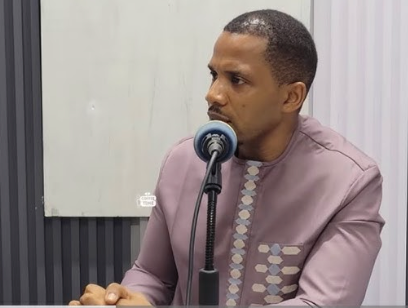
Speaking on West Coast Radio, Dr. Ismaila Ceesay, the minister of information, media, and broadcasting services, said the case demonstrates that mechanisms are now in place to detect and prosecute wrongdoing.
“Corruption has been here since God knows when,” Dr. Ceesay said. “You cannot tell me corruption is new in this country. We have put systems in place to detect it; that is why we are taking people to court.”
Dr. Ceesay said that although reports of corruption may appear to be increasing, the government has also introduced stronger measures to address it through policy reforms and legislation.
He added that the country’s system of governance now includes greater separation of powers among the executive, legislature, and judiciary—a structure intended to strengthen democratic accountability.
“That is why sometimes the government loses cases in the courts,” he said, describing such outcomes as evidence that the judicial system operates independently.
Dr. Ceesay also cited President Adama Barrow’s recent Independence Day address, in which the president reiterated what he described as a policy of zero tolerance for corruption.
“We are not accepting corruption,” Dr. Ceesay said, summarizing the president’s message. “If we have enough evidence, we will take you to court and prosecute.”
Last week, state prosecutors filed a nine-count criminal indictment against Mr. Sanyang and six other defendants. The charges include allegations of abuse of office and involvement in a scheme to sell state land that had been forfeited by the former president, Yahya Jammeh.
Comments are closed.